Sliding Window Crescent Lock Replacement & Scrap Metal Disposal Guide
- 1Crescent cam locks on vinyl sliding sash windows firmly pull overlapping sashes together to create an airtight seal against cold drafts, rain, and street noise while ensuring home security.
- 2Over years of cyclic use, internal zinc cams strip, leaving the handle wobbling loosely and failing to draw the window weatherstripping tight.
- 3Measuring the mounting hole pitch (typically small 45–50mm or large 65–75mm) and upgrading to a modern universal bidirectional crescent lock restores factory-grade draft sealing in minutes.
- ✓This guide covers stripped vinyl screw hole repairs, strike plate alignment, and eco-friendly scrap zinc recycling.
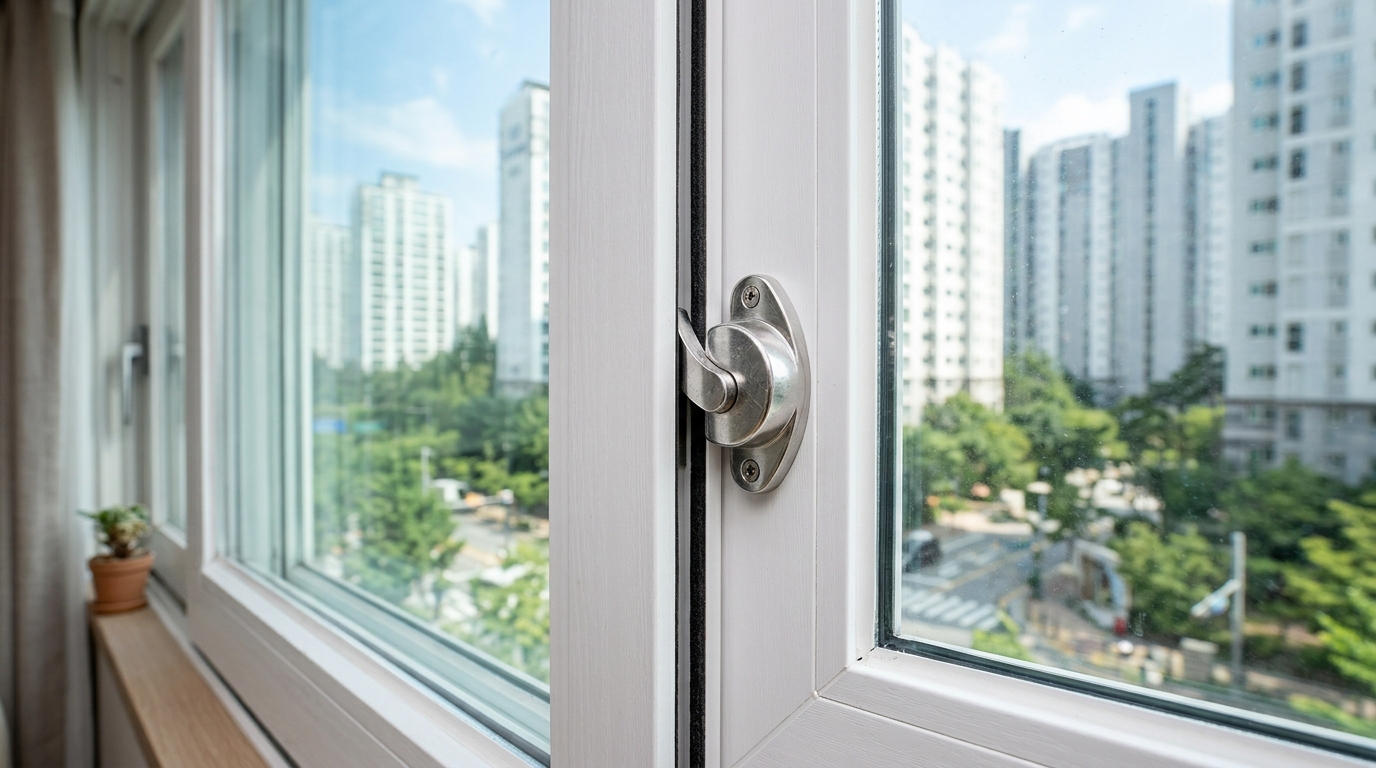
Follow these steps
- 1
Measure Mounting Hole Pitch and Strike Offset: Use a ruler to measure the distance between the two mounting screw centers (standard small 45–50mm, large 65–75mm) and acquire a modern universal bidirectional crescent lock compatible with your PVC sash.
- 2
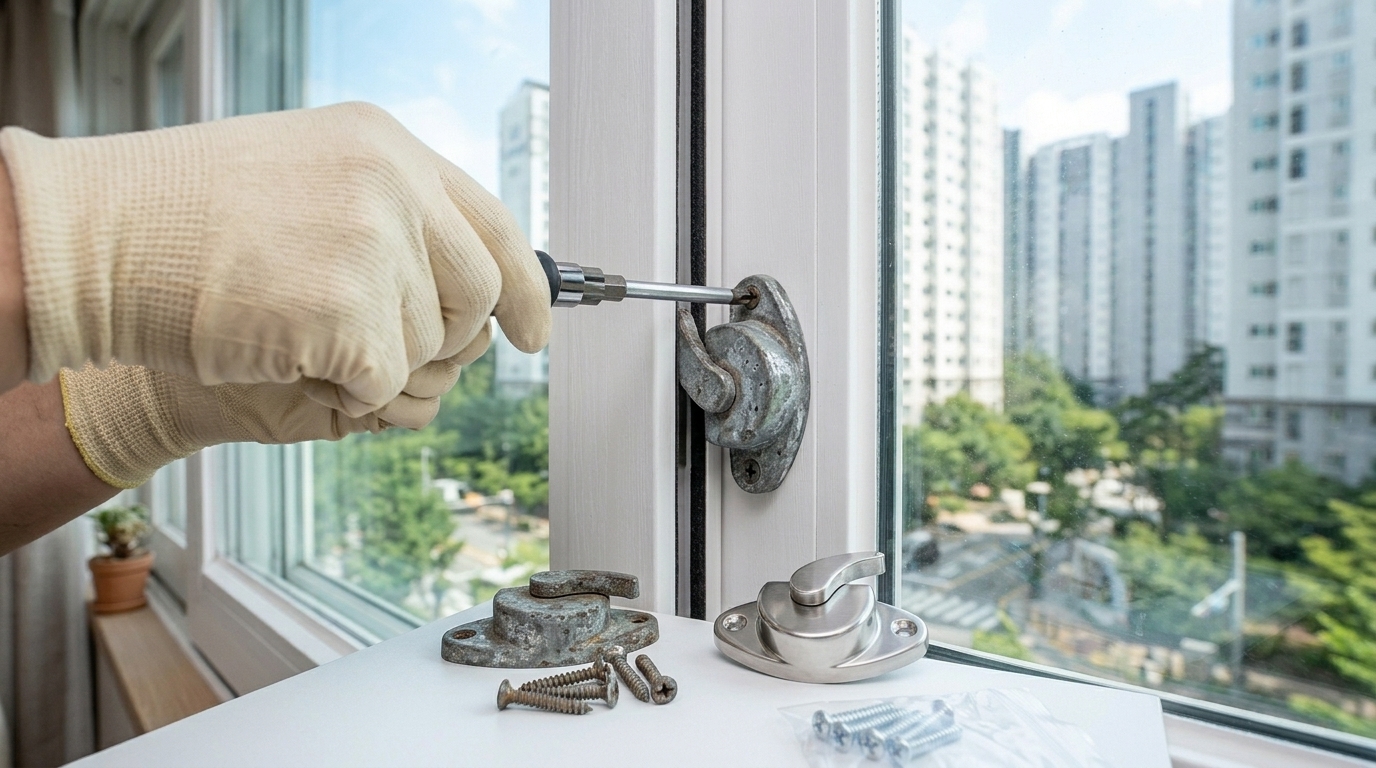
Unscrew Worn Cam Lock and Inspect Keeper: Back out the top and bottom mounting screws with a manual screwdriver and detach the oxidized, loose crescent latch from the sash stile. Unscrew the opposing strike keeper if it is chipped or misaligned.
- 3
Remedy Stripped Screw Holes in Vinyl Sash: If repeated overtightening has stripped the hollow PVC vinyl chamber, insert 2–3 wooden toothpicks coated with a drop of adhesive (or a nylon anchor sliver) snugly into the screw hole and trim flush with a utility knife to create a solid bite for screws.
- 4
Mount Universal Crescent Latch and Align Cam Action: Position the new crescent lock over the holes and drive screws loosely to 80% tightness. Rotate the cam lever to engage the strike keeper; ensure it pulls both sliding sashes tightly together into a draft-proof seal before final torqueing.
- 5
Test Draft Tightness and Recycle Metallic Hardware: Confirm that the window does not rattle when locked against exterior wind pressure. The disassembled old crescent lock body (cast zinc alloy) and steel screws are 100% recyclable metals; place them into the curbside scrap metal recycling bin.
Frequently asked question
How do I choose between Left (L) and Right (R) handed window crescent locks?
In the past, crescent locks were strictly handed based on whether the sliding sash met from the left or right. However, modern replacement locks are universal bidirectional units with 180-degree reversible cam levers. Purchasing a universal model guarantees complete compatibility regardless of window orientation.
Why do the screws spin endlessly, leaving the crescent lock loose, and how do I fix it?
The internal screw threads inside the hollow PVC window profile have stripped. Remove the lock, insert 2 or 3 wooden toothpicks coated with glue tightly into the hole, snap them flush with the surface, and drive the screw back in. The compressed wood acts as an expansion plug, providing a rock-solid grip.
Why do cold drafts still blow through the window gap even when the crescent lock is engaged?
The cam latch and opposing strike keeper are spaced too far apart, failing to compress the interlock weatherstripping. Loosen the strike keeper screws, shift the keeper 1–2 mm outward toward the frame, and retighten. When locked, the cam will now clamp the two sashes together with tighter pressure, halting drafts.
Should discarded old crescent window locks go into general trash or scrap metal recycling?
The entire crescent lock body (die-cast zinc alloy), internal cam pivot, and mounting screws are 100% recyclable ferrous and non-ferrous metals. Do not toss them into household trash; place them into your curbside scrap metal / can recycling bin.