Kitchen Fire Soot & Extinguisher Powder Cleanup and Debris Disposal Guide
- 1Following an indoor cooking flare-up or electrical short, homeowners instinctively attempt to mop soot with wet rags or wash down fire extinguisher residue with water.
- 2However, soot consists of microscopic carbon particles bound with vaporized cooking oils and acidic chemical residues; applying moisture immediately forces these dark pigments deep into the pores of wallpaper, paint, and drywall, creating permanent black stains.
- 3Furthermore, dry chemical fire extinguishers discharge monoammonium phosphate, an ultrafine acidic dust that turns into a sticky corrosive paste when wet and instantly destroys domestic vacuum motors while blowing hazardous airborne dust out of exhaust ports.
- ✓Recovery requires strict adherence to safety protocols: photographic insurance documentation ➔ cross-ventilation ➔ dry mechanical sweeping ➔ chemical dry sponge soot removal ➔ alkaline degreasing neutralization ➔ dedicated heavy-duty woven PP sack disposal of charred debris.
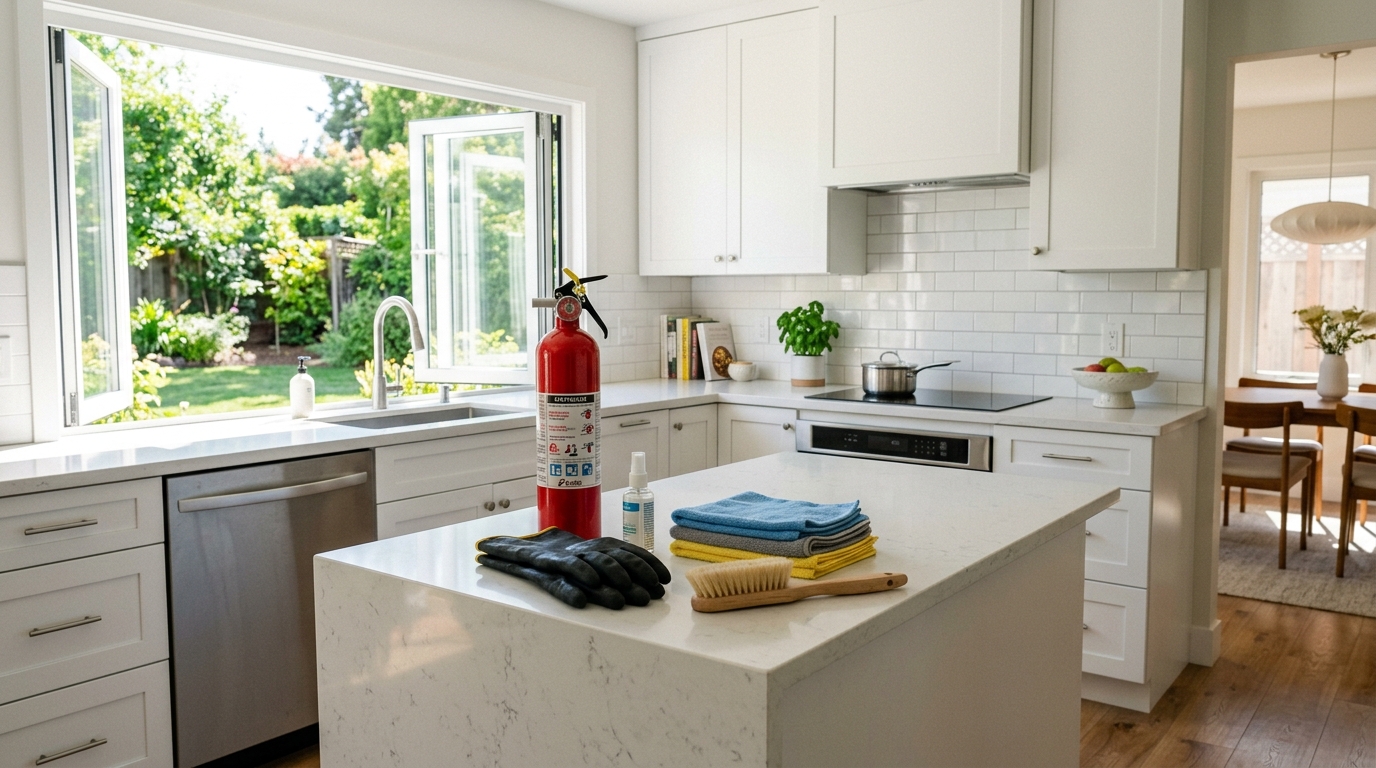
Follow these steps
- 1
Step 1 (Cut Utilities & Document Photo Evidence for Insurance): Verify all embers are fully extinguished, shut off main gas valves, and trip circuit breakers to avoid electrical arcs; before touching or cleaning any debris, photograph wide-angle room overviews, burnt appliances, soot drift patterns, and extinguisher spray coats under bright light for municipal fire loss certificates and property insurance claims.
- 2
Step 2 (Shut Down HVAC & Establish Cross-Ventilation with PPE): Turn off indoor air conditioners, exhaust fans, and air purifiers immediately to prevent ultrafine soot and chemical powders from clogging ductwork and spreading throughout other rooms; open exterior windows for natural airflow and don tight-fitting KF94/N95 masks, nitrile gloves, and eye goggles.
- 3
Step 3 (Dry Mechanical Sweeping of Extinguisher Dust): Never apply water to yellow ABC extinguisher powder, as moisture activates sticky acidic monoammonium phosphate that corrodes metals; avoid domestic vacuum cleaners which suffer motor burnout from micro-dust; gently sweep bulk powder using a soft broom and dustpan into general trash bags, or use an industrial HEPA-sealed dry canister vac.
- 4
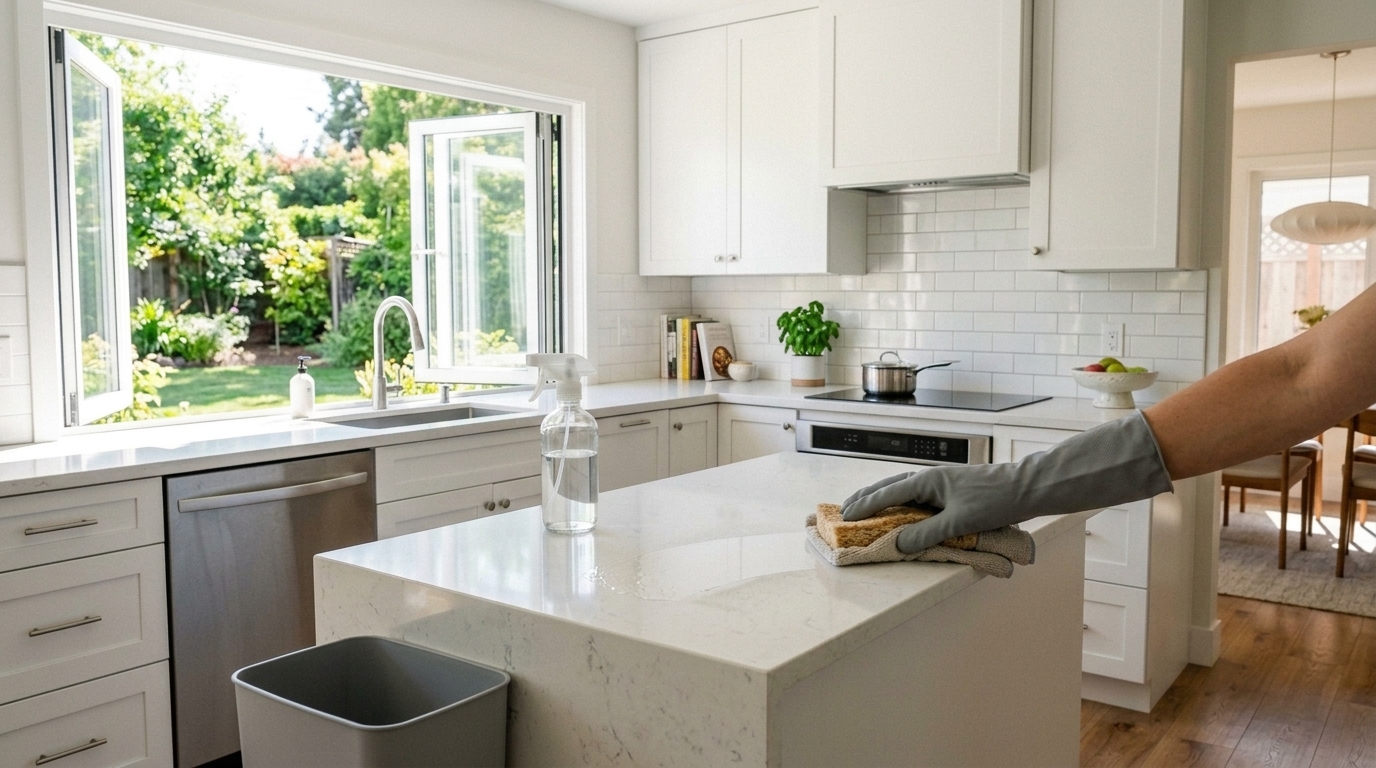
Step 4 (Chemical Dry Sponge Soot Erasure & Alkaline Neutralization): Do not touch walls with wet rags initially, which drives greasy soot pigments permanently into wallpaper pores; use a vulcanized natural rubber dry chemical sponge or clean dry microfiber cloth in straight, overlapping strokes to lift loose carbon; follow up with an alkaline degreaser or baking soda solution to neutralize acidic petroleum/oil residues, wiping dry immediately.
- 5
Step 5 (Charred Debris PP Sack Disposal & Residual Odor Neutralization): Scorched appliances beyond repair must be disposed of via dedicated municipal e-waste bins or bulky waste permits; severely charred utensils, broken heat-resistant glass, and melted tile rubble must be sealed inside municipal heavy-duty woven polypropylene (PP) bags to prevent puncture injuries; neutralize lingering smoke odors over 3–5 days using active cross-ventilation, activated charcoal, and bowls of baking soda.
Frequently asked question
Is dry chemical fire extinguisher powder toxic to humans and household pets?
The primary compound in ABC dry chemical extinguishers, monoammonium phosphate, is categorized as non-toxic but acts as a potent mechanical irritant; inhalation triggers severe coughing, throat soreness, and respiratory distress, particularly in pets and children. Contact with skin or mucous membranes can cause irritation due to its mildly acidic nature. Evacuate pets and minors to unexposed rooms and wear protective N95/KF94 respirators during cleanup.
Can I scrub heavy black soot off wallpaper using melamine foam (Magic Eraser) or dish soap?
Never apply damp melamine foam directly to fresh soot. Friction with moisture emulsifies the loose carbon into a black ink-like paste that penetrates deep into wallpaper fibers, permanently staining the surface. First lift off over 90% of the dry soot using a dry vulcanized rubber sponge; only then can you lightly blot remaining oily halos using alkaline solution on a microfiber towel.
Can I wipe down and reuse an air fryer or microwave that only suffered superficial exterior soot?
Even with minor exterior scorching, cooling fans commonly ingest acidic extinguisher powder and superheated toxic fumes directly onto internal printed circuit boards (PCBs) and wiring harnesses. Chemical residue accelerates circuit corrosion while thermal stress degrades wire insulation, posing acute risk of secondary fires upon re-energizing. Unless inspected and certified by authorized technicians, discard damaged small appliances via e-waste recycling.
What is the decision boundary between DIY cleanup and hiring professional fire restoration services?
DIY restoration is feasible if the incident was limited to localized kitchen pan flare-ups under 5 square meters, with no structural scorching to drywall and single-canister extinguisher discharge. However, if open flames reached ceiling moldings, spread through electrical conduit, deposited greasy toxic soot across multiple rooms, or left severe structural smoke odor embedded in bare concrete, professional fire restoration contractors equipped with commercial thermal foggers, ozone hydroxyl generators, and industrial HEPA air scrubbers must be engaged.