How to Deep Clean & Sanitize an Electric Shaver: Foil Blade Grime, Odor & Folliculitis Care
A complete professional guide to deep cleaning and sanitizing your electric foil razor, breaking down rancid sebum buildup, stubble grime, and folliculitis-causing bacteria using rubbing alcohol, mild dish soap, and blade lubrication.
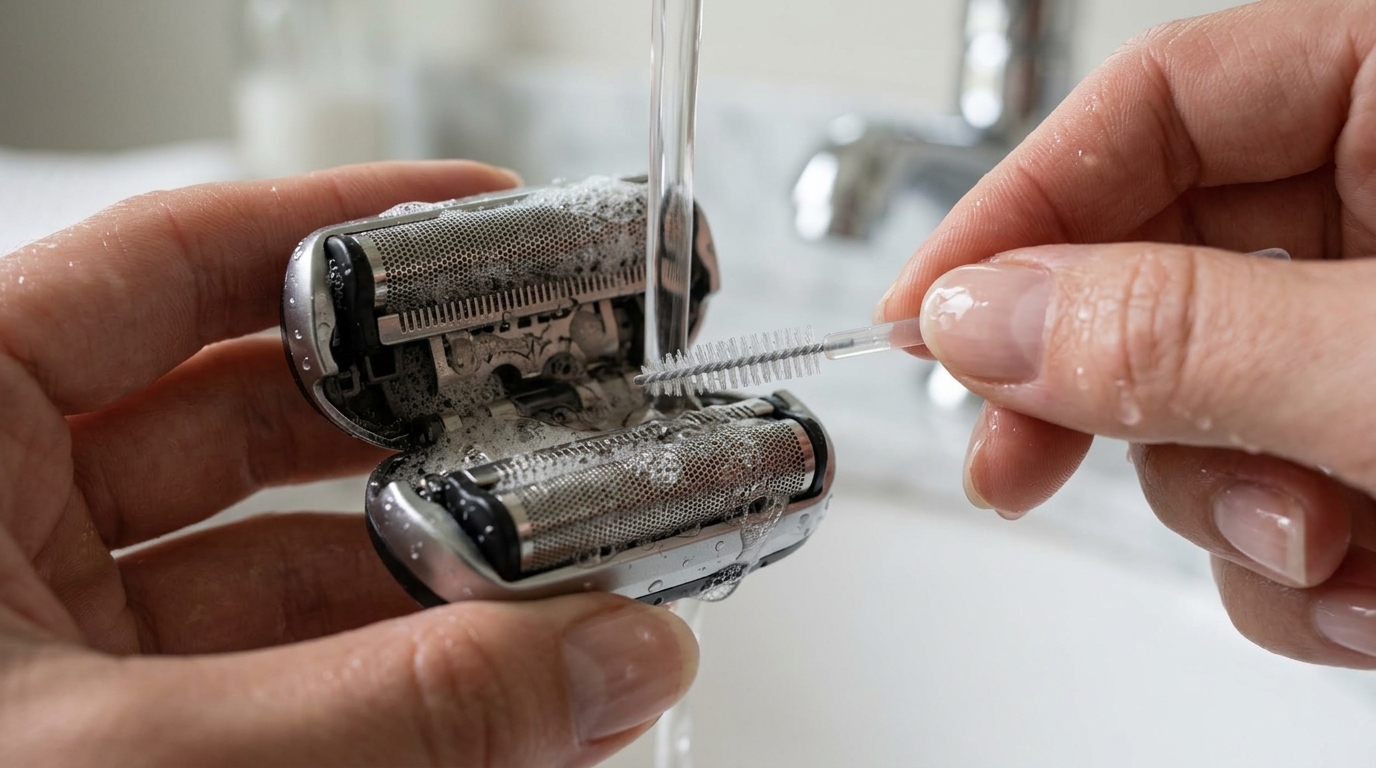
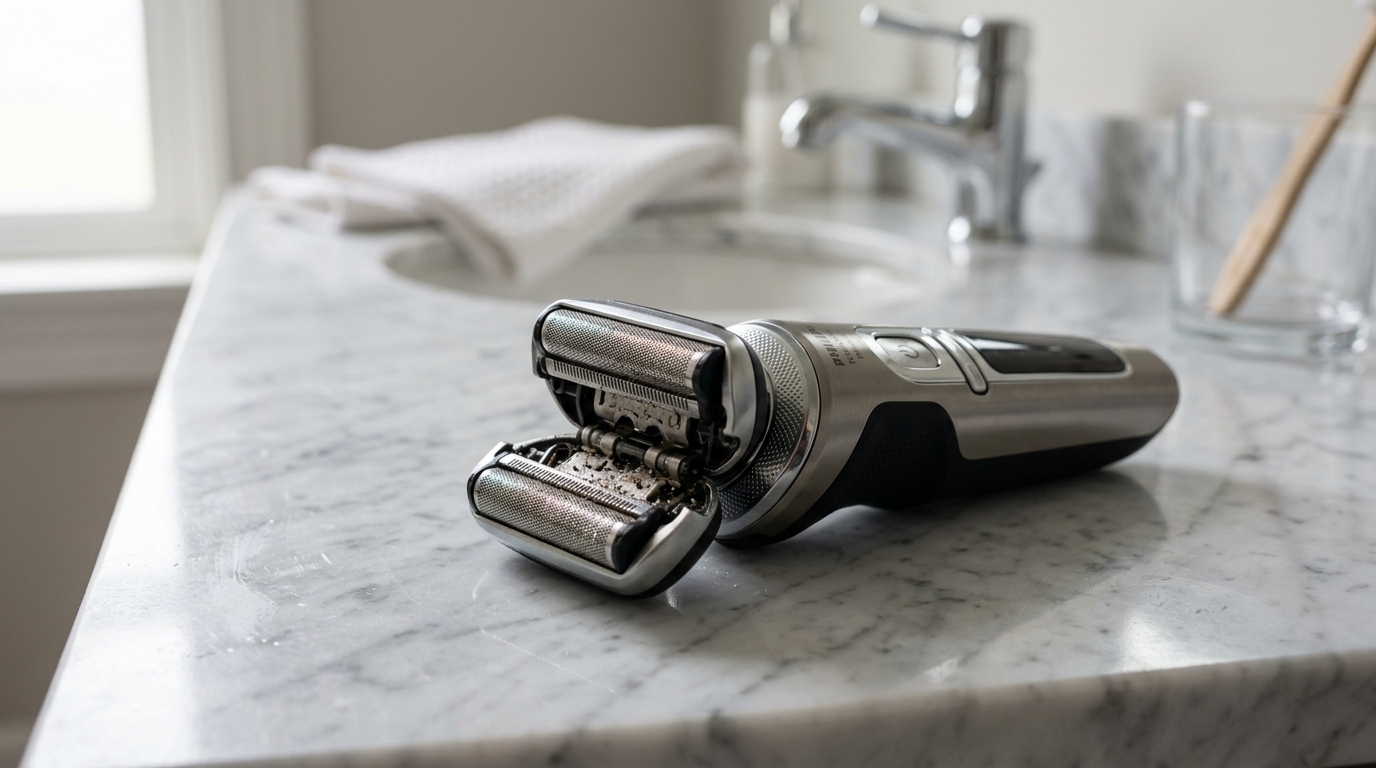
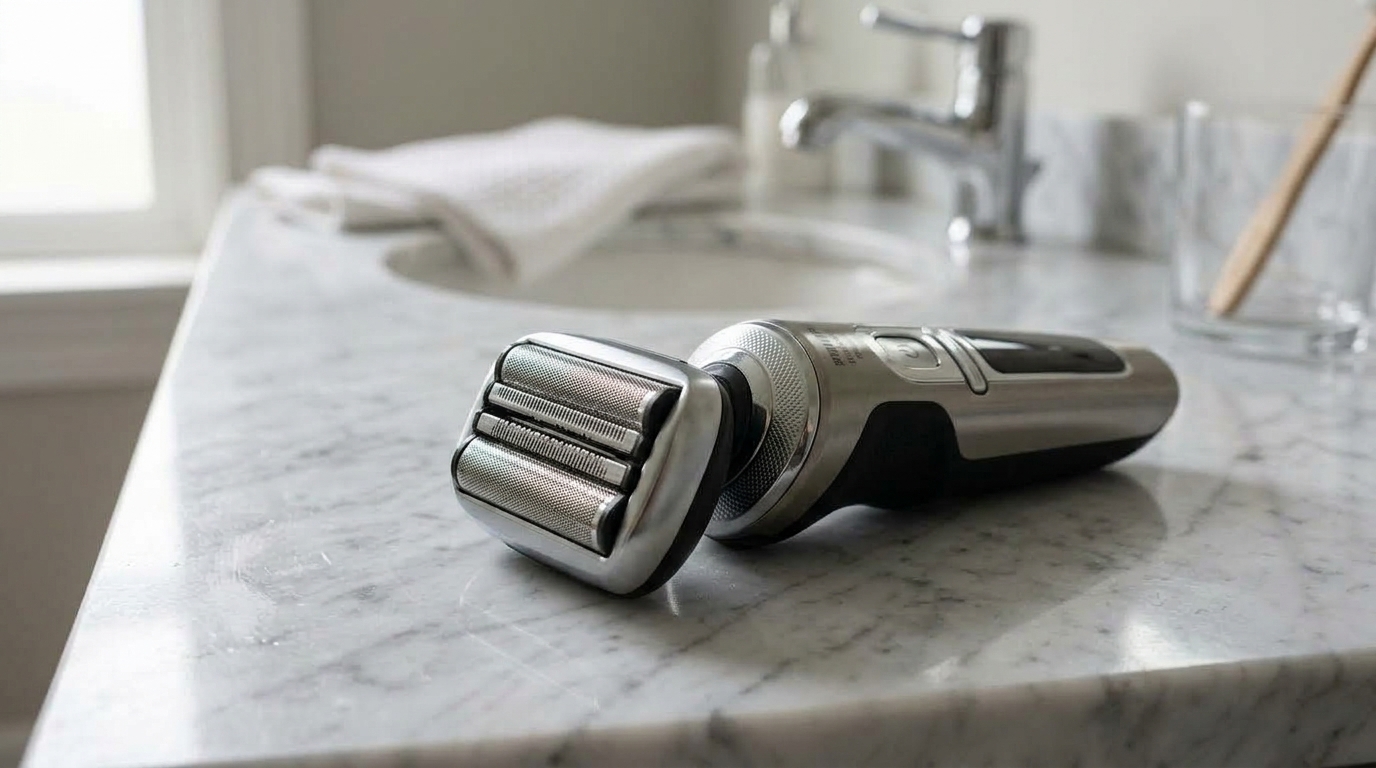
🛠️ Required Tools & Cleaning Agents
🔄 Alternative Detergents & Eco Tips
- Rubbing Alcohol → Alt: Manufacturer shaver cleaning fluid cartridge (Pharmacy-grade 70-80% isopropyl alcohol delivers the exact same 99.9% antibacterial efficacy at a fraction of the cost.)
- Shaver Lubricant Oil → Alt: High-purity cosmetic mineral oil or baby oil (single micro-drop) (Never use heavy cooking oils or industrial WD-40; only apply skin-safe light mineral oil to cutter foils.)
- Cleaning Detail Brush → Alt: Soft unused baby toothbrush (Never scrub the delicate outer foil mesh directly with bristles to prevent bending thin metal micro-screens.)
✨ Step-by-Step Care Instructions
Step 1: Disconnect Power & Brush Off Stubble Buildup
- Unplug the power cord and verify that the electric shaver unit is completely powered off.
- Press the head release buttons to gently pop open or detach the foil blade cassette from the body.
- Gently tap the detached shaver head against the sink edge or over a bin to dislodge loose stubble dust.
- Use a soft cleaning brush to gently clear stubble from internal plastic housings and vibrating cutter blocks (avoid direct brushing on delicate foil screens).
Step 2: Dissolve Sebum with Warm Water & Mild Soap Suds
- Moisten the detached foil cassette and cutter block under 30-40°C lukewarm running water.
- Apply 1-2 drops of mild liquid dish soap or liquid hand wash directly onto the foil surface.
- For waterproof models, reattach the soapy head and run the motor for 15-30 seconds to let dynamic lather penetrate tight cutter gaps.
- Rinse thoroughly under warm running tap water until all dissolved facial sebum and suds are completely flushed away.
Step 3: Sanitize with 70-80% Rubbing Alcohol Soak
- Fill a small cup or shallow container with 70-80% rubbing alcohol enough to submerge the foil cutter.
- Soak the detached foil head in the alcohol bath for 5-10 minutes to eliminate 99.9% of Staphylococcus aureus and odor bacteria.
- Alternatively, spray 70% isopropyl alcohol generously over the front and reverse sides of the shaver head.
- Remove the components without rinsing in water, allowing clean alcohol to evaporate naturally and displace moisture.
Step 4: Air Dry Components in a Ventilated Shaded Area
- Gently shake excess alcohol off the head and pat outer surfaces dry with a lint-free microfiber towel.
- Never snap the damp head shut onto the shaver body; keep components completely detached to prevent bacterial regrowth.
- Allow all detached parts to air-dry naturally on a clean towel in a well-ventilated, shaded spot for at least 2 hours.
- Avoid humid enclosed bathroom cabinets and keep away from direct sunlight or high-heat blow dryers.
Step 5: Apply Lubricating Oil & Restore Cutting Performance
- Apply exactly one small drop of electric shaver lubricant oil (or mineral oil) onto the center of each dry foil screen.
- Snap the foil head assembly securely back onto the shaver body until it clicks.
- Turn on the power switch and let the shaver run dry for 10-15 seconds to distribute lubricant evenly across the oscillating cutters.
- Gently dab away any excess surface oil with a clean tissue, leaving the shaver sanitized, smooth, and ready for use.
🩺 Self-Diagnosis Guide
✅ Can be restored with care
- Shaver head emits a stale, rancid oil odor from trapped sebum and stubble.
- Fine hair particles and hardened skin grease adhere tightly between foil cutter meshes.
- Frequent razor bumps, red pimples (folliculitis), or skin itching appear after shaving.
- Shaving feels sluggish, tugging or pulling facial hair instead of cutting cleanly.
- Motor runs smoothly and battery charging/waterproofing remains intact.
❌ Reached end of lifespan (Proper disposal required)
- Foil screen has developed holes, micro-cracks, or sharp dents that scratch facial skin (replace foil head assembly).
- Degraded internal waterproof gaskets caused battery board short-circuiting or permanent power failure.
- Severely stripped motor drive eccentric shafts resulting in loud grinding noises without blade oscillation.
- Swollen battery casing or visible chemical electrolyte leakage inside the chassis.
⚠️ Important Safety Precautions
- Never Wash Non-Waterproof Models: Never expose non-waterproof models to running water; disassemble only the foil cap for cleaning to prevent electric shock and motor shorts.
- Avoid Chlorine Bleach or Harsh Solvents: Bleach rapidly corrodes stainless steel foils and nickel coatings, inducing rust and severe skin allergies.
- Never Wash While Connected to AC Power: For electrical safety, always unplug all charging adapters before any washing or liquid immersion.
- Do Not Use WD-40 or Industrial Lubricants: Industrial chemical lubricants cause severe allergic contact dermatitis when contacting facial pores.
💡 Cost Efficiency & Professional Inspection Guide
💡 Electric Shaver Replacement Guide: 3 Key Technical Specs Before Buying
♻️ Reached end of lifespan?
Check local disposal regulations instead of forcing reuse.
❓ Frequently Asked Questions (FAQ)
Q. Why do I get razor bumps and folliculitis after shaving with an electric razor?
A. Rinsing with water alone leaves facial sebum and dead skin cells trapped inside cutter crevices, breeding Staphylococcus bacteria. Microscopic skin friction abrasions allow these bacteria to enter facial hair follicles. Sanitizing with 70-80% isopropyl alcohol every two weeks and air-drying prevents nearly 100% of shaving-induced folliculitis.
Q. Can I use rubbing alcohol instead of branded shaver cleaning cartridges?
A. Yes, standard 70-80% rubbing alcohol (isopropyl or ethanol) is an outstanding, cost-effective substitute. Commercial cleaning cartridges are primarily formulated with 70% alcohol and mild lubricants. Soaking the foil head in rubbing alcohol for 10 minutes delivers identical 99.9% disinfection, provided you add a drop of lubricant oil afterward.
Q. Why is regular lubrication (oiling) mandatory after deep cleaning?
A. Soap and alcohol completely strip the protective lubricant film from moving cutter surfaces. Running dry blades at 10,000+ oscillations per minute generates high friction heat, rapidly dulling blades, straining the motor, and draining battery life. A single drop of oil prolongs cutter lifespan significantly.
Q. When should I replace the foil head, and how do I dispose of an old electric shaver?
A. Shaver foil cassettes should be replaced every 18-24 months when cutting performance degrades or hair pulling occurs. When discarding an entire broken unit, drop it off at a local municipal small electronics recycling bin or schedule free government e-waste pickup.
Q. Is it safe to clean an electric shaver head in an ultrasonic jewelry cleaner?
A. Yes, ultrasonic cleaning is highly recommended for detachable foil heads. Placing the detached head in warm water with a drop of dish soap inside an ultrasonic cleaner for 3 minutes dislodges stubborn micro-grime effortlessly. However, never submerge the motorized handle body into the ultrasonic bath.