How to Dispose of Airtight Food Storage Containers & Bento Boxes
- 1Airtight food storage containers must be separated according to their body materials (PP plastic, tempered/borosilicate glass, stainless steel) and lid components (silicone gaskets, plastic latches).
- 2Clean plastic containers and lids belong in plastic recycling; detached silicone sealing rings go to general trash.
- 3Stainless steel food boxes go to scrap metal.
- 4In contrast, tempered glass containers (e.g.
- ✓Glasslock) must never enter bottle glass recycling—wrap them in paper and discard inside non-combustible waste bags (Bulyeonsung Madae) or general trash.
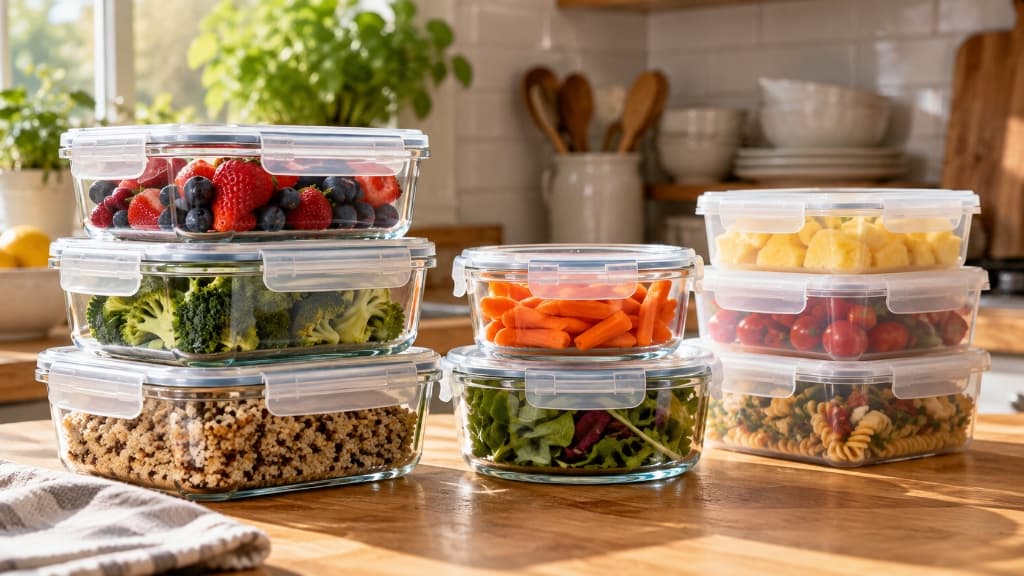
How to Dispose (6 Steps)
- 1
Detach silicone lid gaskets: Pry out the rubber/silicone sealing ring from the lid groove using a toothpick and discard it into municipal general trash.
- 2
Rinse food debris and grease stains: Wash away greasy sauces, Kimchi stains, and food residues thoroughly using dish soap and baking soda, then let dry.
- 3
Recycle clean PP plastic container bodies: Drop transparent, clean polypropylene food containers and plastic lids into designated plastic recycling bins.
- 4
Dispose of tempered glass containers in non-combustible sacks: Heat-resistant borosilicate/tempered glass containers melt at high temperatures and ruin glass recycling; wrap in paper and discard inside non-combustible PP sacks.
- 5
Sort stainless steel lunchboxes as scrap metal: Rinse bare stainless steel container bodies and sort them into scrap metal bins; discard detached gaskets in general trash.
- 6
Heavily stained or odorous plastic containers: Polypropylene containers saturated with permanent grease stains or burnt odors cannot be processed into recycled pellets; discard in general municipal trash.
Real-World Examples
4-side snap-lock plastic containers (Lock&Lock): Silicone seal in trash, clean body and lid in plastics.
Tempered heat-resistant glass containers (Glasslock): Wrap in newspaper, discard in non-combustible PP sack.
Stainless steel rectangular food containers: Metal box in scrap metal, rubber seal in general trash.
Microwave silicone steamer containers: Silicone is non-recyclable, discard 100% in general trash.
Permanently oil-caked unwashed plastic containers: Discard inside general municipal trash bag.
Frequently Asked Questions
Q. Why can't Glasslock or Pyrex glass food containers be recycled with glass bottles?
A. Glass food containers like Glasslock or ovenware are made of heat-resistant tempered/borosilicate glass designed to withstand microwave, oven, and thermal shocks. They have a melting temperature hundreds of degrees higher than ordinary soda-lime bottles. When mixed into bottle furnaces, they fail to melt properly and create solid inclusions that cause catastrophic bottle cracking. Always wrap in paper and dispose of inside non-combustible sacks (Bulyeonsung Madae) or general trash.
Q. Why must silicone lid gaskets be peeled off and discarded separately?
A. While the rigid lid frame is recyclable polypropylene (PP), the airtight gasket is made of vulcanized silicone or synthetic rubber. Thermoset rubber does not melt in mechanical plastic recyclers and contaminates polymer batches. Always pry out the gasket and discard it inside general trash bags.
Q. Can plastic food containers stained red with Kimchi or chili oil still be recycled?
A. Yes, as long as food solids and greasy residues have been washed away with soap and water, surface discoloration does not prevent mechanical pelletization. However, if unwashed with sticky oil films, it contaminates recycling batches and must be discarded in general trash.
Q. How should stainless steel food storage boxes be disposed of?
A. Wash food traces from the stainless steel body and place it into scrap metal recycling bins. Separate the plastic snap-lid into plastics, and throw the detachable silicone seal into regular general municipal trash.