PC Hardware Upgrade & Computer Parts Disposal Guide (HDD/SSD Data Wiping & E-Waste)
When upgrading or disposing of old PCs, ensuring complete data destruction from storage drives (HDD/SSD) is essential to prevent personal data theft. Standard formatting can be reversed using recovery tools, so performing DoD/zero-fill overwrites or physically puncturing/destroying the magnetic platters is required. Intact desktop towers and PC component boards (motherboard, GPU, PSU) qualify for free e-waste collection programs, while empty steel chassis can be sorted as scrap metal.
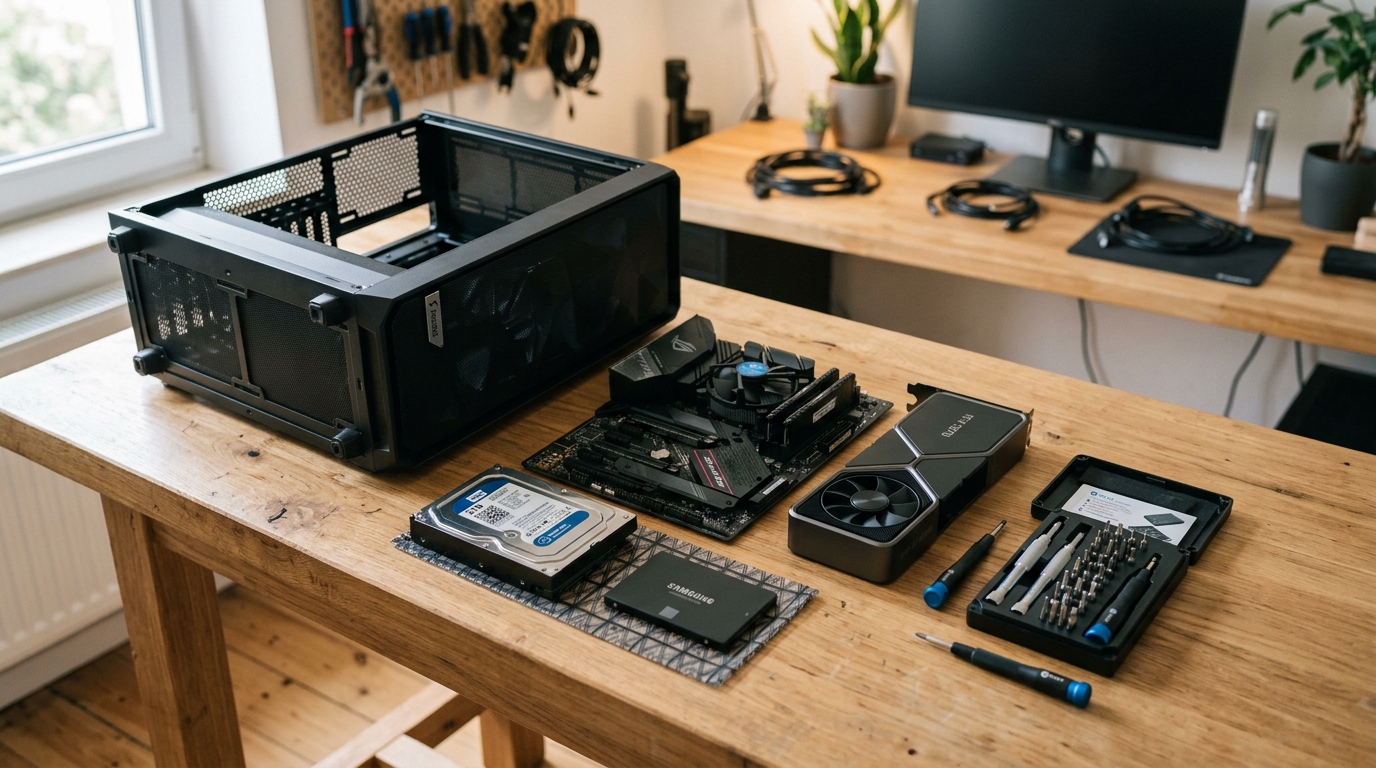
Follow these steps
- 1
Step 1 (Permanent Storage Data Destruction): Perform a low-level format (DoD 5220.22-M / Zero-Fill) on HDDs or open the top enclosure and physically drill through or crush the magnetic platters. For SSDs, execute manufacturer Secure Erase or physically crack the NAND controller chips.
- 2
Step 2 (Salvaging & Selling Functional Components): Working GPUs, CPUs, high-capacity RAM sticks, and modular power supply units should be wrapped in anti-static bubble wrap and resold on secondhand marketplaces.
- 3
Step 3 (E-Waste Collection for Towers & Circuit Boards): Complete PC towers and loose electronic boards (motherboards, GPUs, PSUs) can be deposited into dedicated e-waste collection bins at apartment complexes or community centers, or scheduled via free home pickup (1588-1590).
- 4
Step 4 (Empty Steel Chassis & Cable Recycling): Pure metal/aluminum PC cases stripped of all plastic trims and PCBs can be recycled as scrap metal; power cords and SATA cables go into cable recycling bins or general trash bags.

Frequently asked question
Do I need to purchase a bulky waste sticker for an old PC desktop?
No. Computer towers, monitors, and laptops qualify for government-certified free e-waste collection bins at apartment complexes or community centers without paid stickers.
Does crushing the hard drive platter really prevent data recovery?
Yes. Once the magnetic platters are scratched, bent, or punctured, the drive heads cannot spin or read sectors, rendering standard forensic data recovery impossible.