Used Battery Exchange Program: Trade Old Batteries for Trash Bags & New Batteries
Learn how to exchange used household batteries for municipal waste bags or fresh batteries at district community service centers across Korean municipalities.
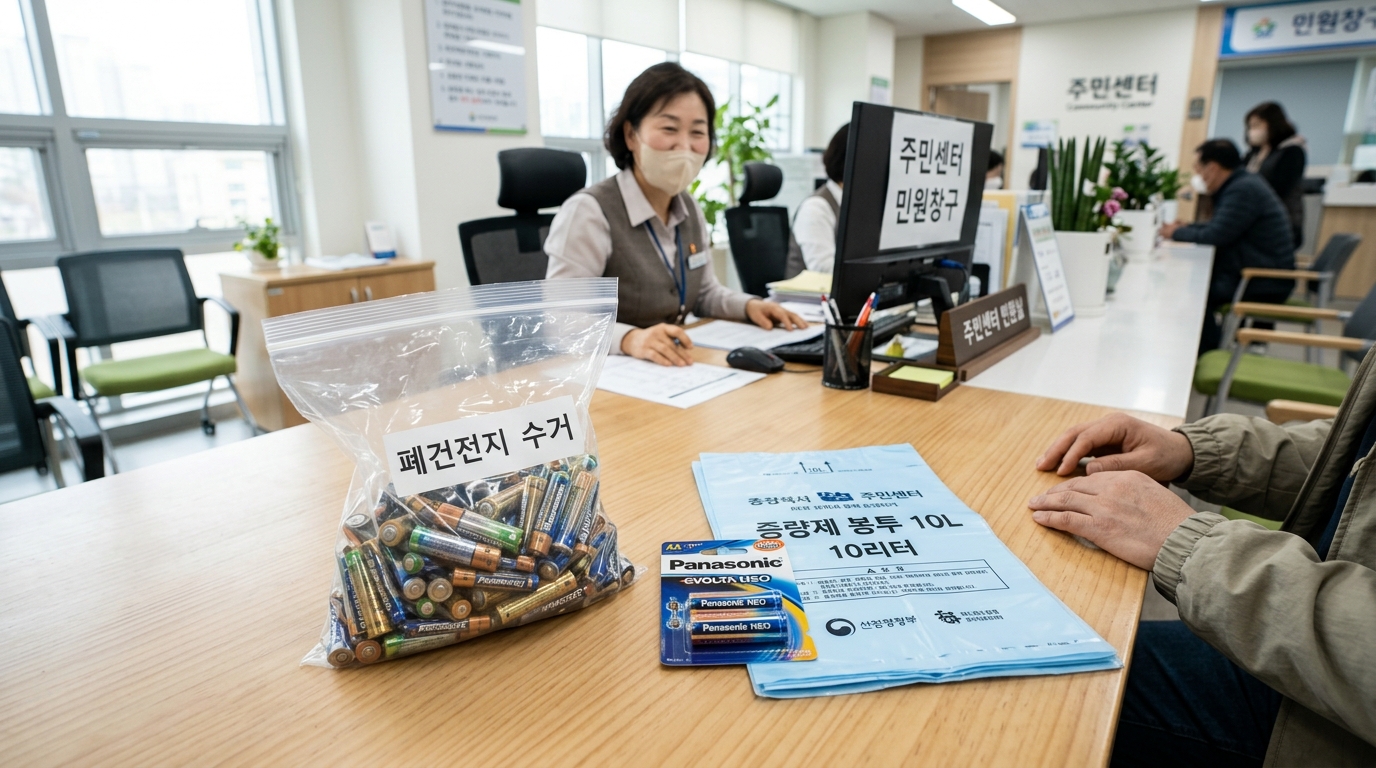
Follow these steps
- 1
Step 1: Collect used alkaline/manganese batteries (AA, AAA, C, D) and power banks across household devices
- 2
Step 2: Check for corrosion or leakage using protective gloves and pack them in sets of 10 or 20 inside clear ziploc bags
- 3
Step 3: Call your local community center (Dong office) to verify exchange days, daily trade-in caps, and reward types (trash bags vs. new battery packs)
- 4
Step 4: Visit the community center during official weekday hours (09:00–18:00) bringing your ID and prepared batteries to the environmental desk
- 5
Step 5: Verify battery counts, sign the municipal recycling log, and receive your standard waste bags or fresh batteries
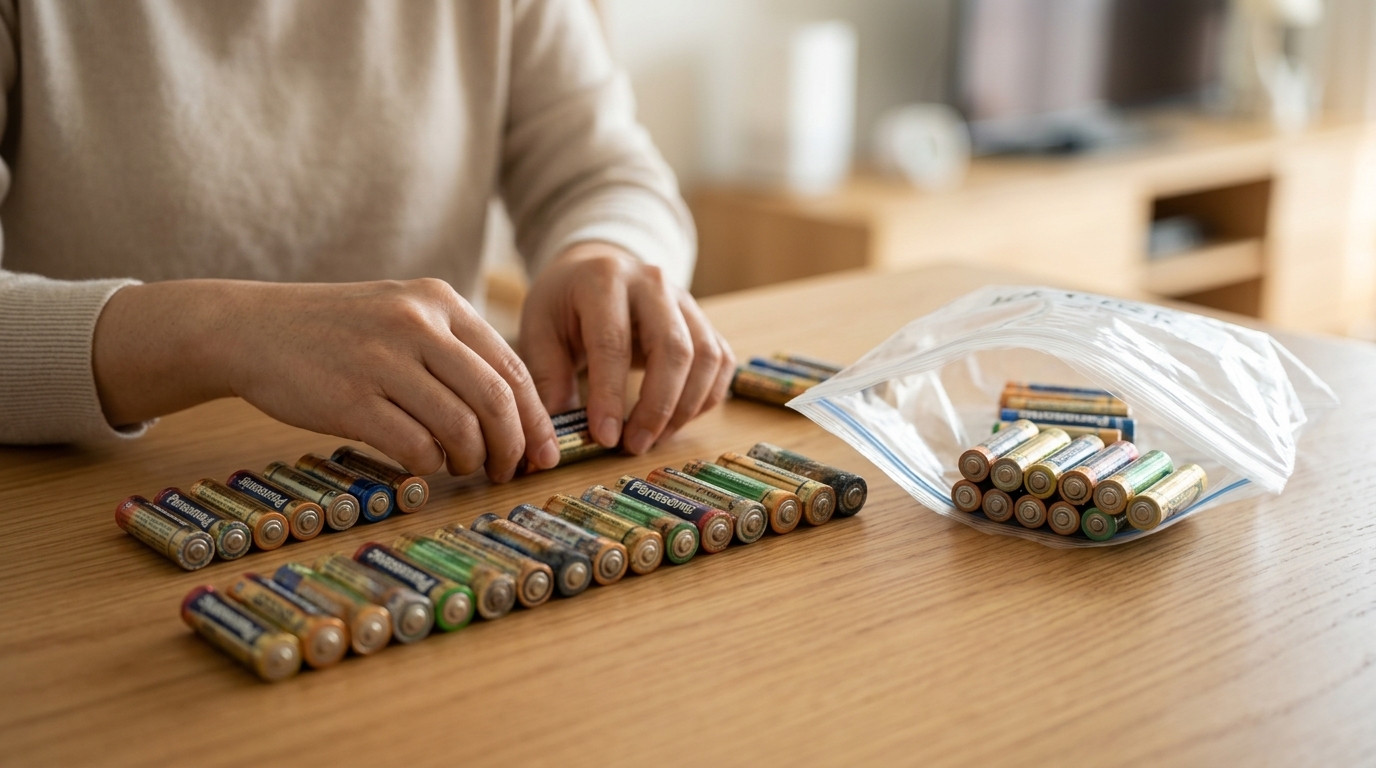
Frequently asked question
Are corroded batteries with white powdery leaks accepted for exchange?
Yes, corroded or leaking batteries are fully accepted for recycling and trade-in. However, as battery electrolyte can irritate skin, wear protective gloves, wipe excess powder with dry paper, and seal them securely in transparent ziploc bags.
Can I exchange batteries at a community center outside my registered residential district?
Most district councils fund this reward program with local municipal budgets and verify residency via ID cards. Exchange eligibility may be restricted to residents registered within that specific district or Dong jurisdiction.
How should I dispose of batteries if I have fewer than 10 or the exchange quota is filled?
Even if you have fewer than the minimum exchange quota or the annual incentive budget is exhausted, you can always drop off any number of used batteries for free in the dedicated recycling bins at subway stations, community centers, or apartment complexes.