Stainless Steel Tumbler Coffee Stain & Rubber Gasket Mold Removal Guide | Sodium Percarbonate Cleaning
Complete hygiene guide for removing stubborn tea/coffee tannins, metallic water odors, and hidden rubber gasket mold from insulated stainless steel tumblers using sodium percarbonate effervescence.
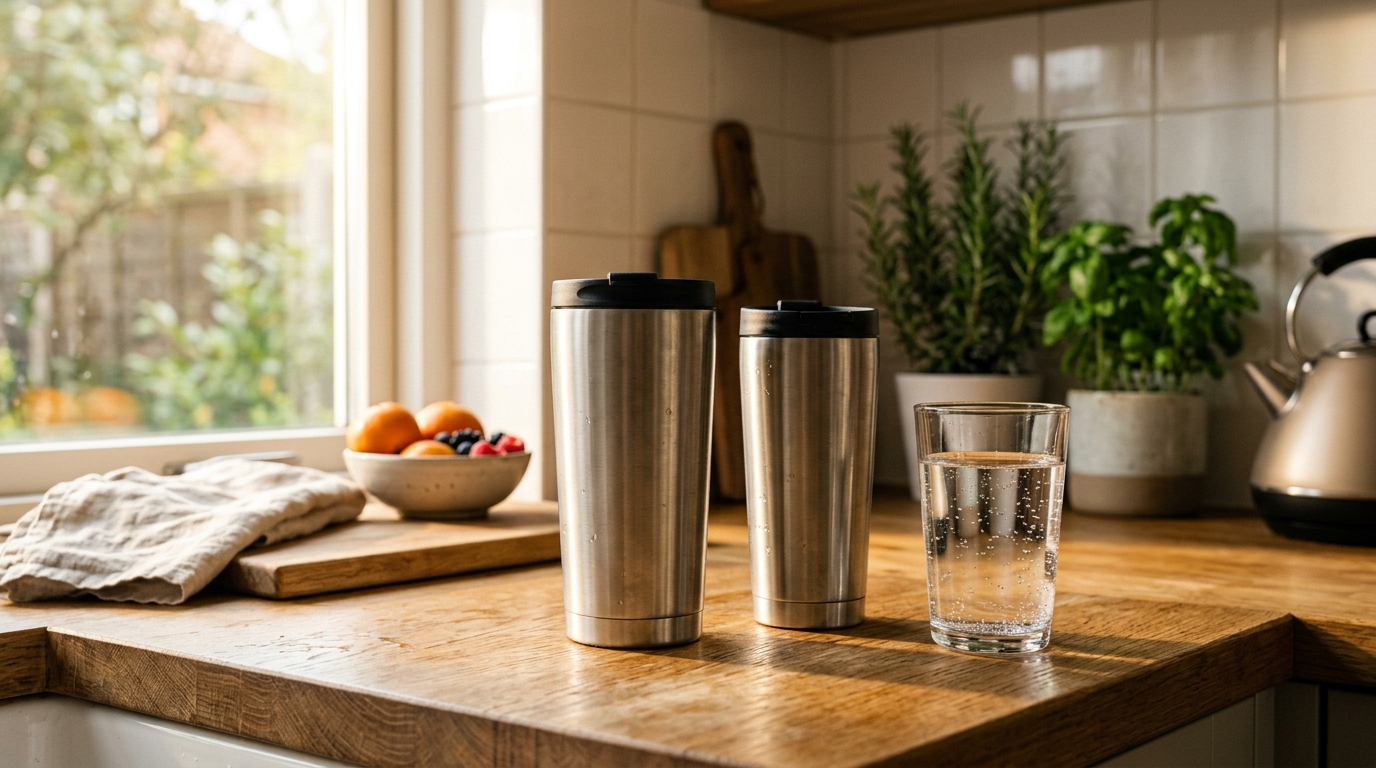
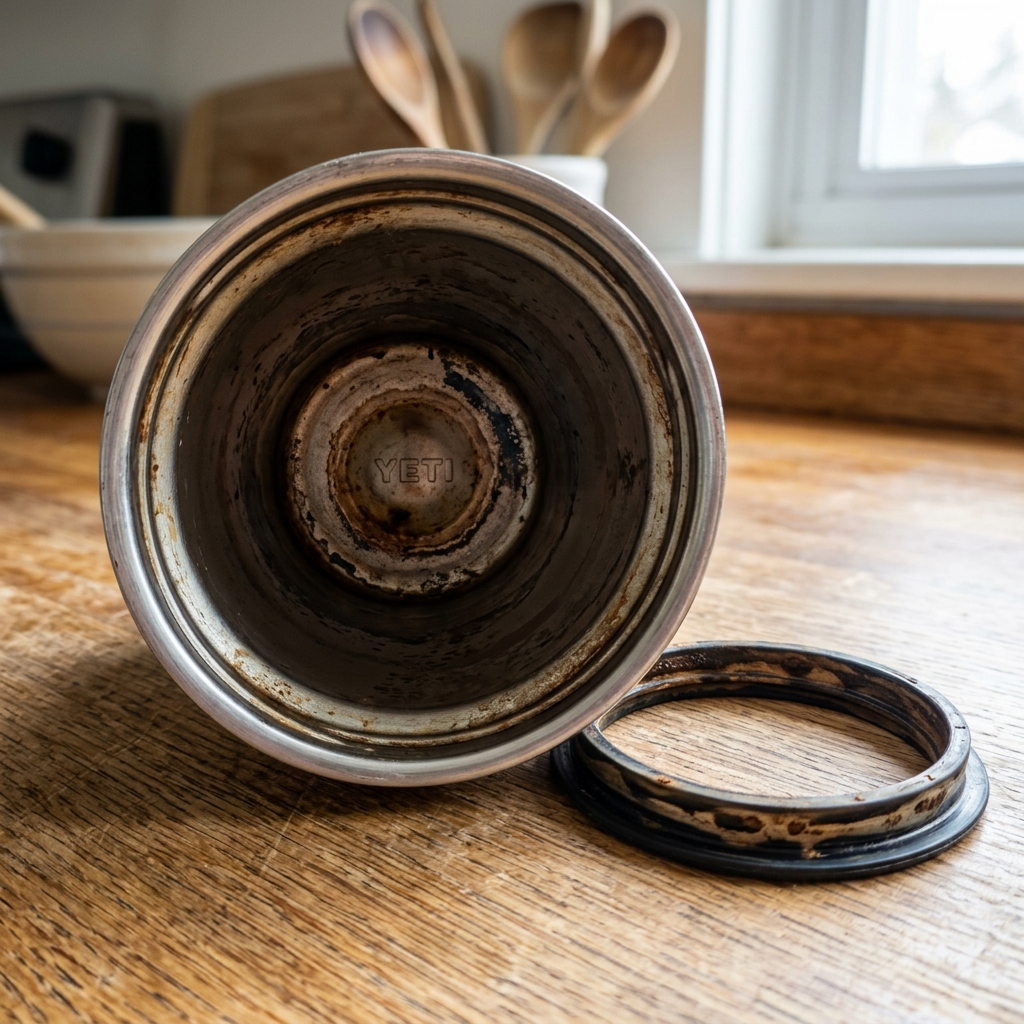
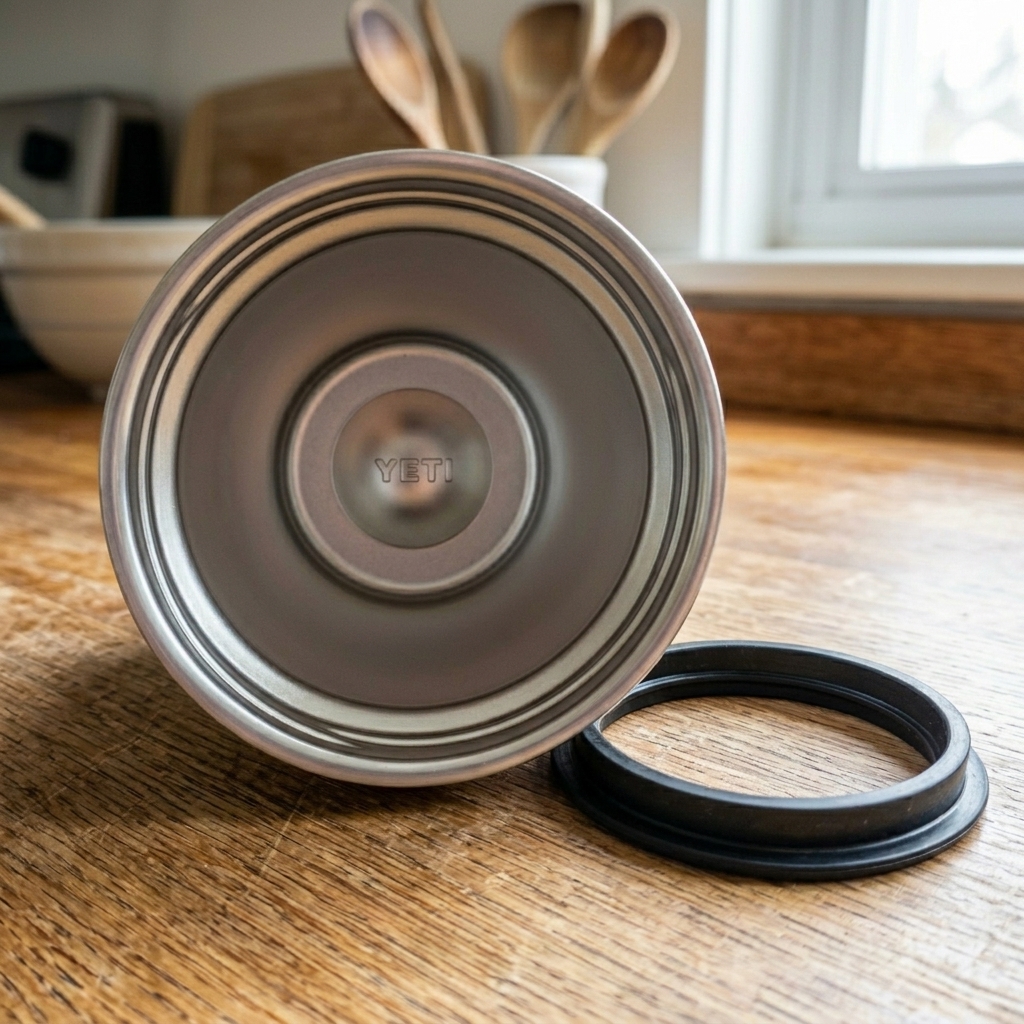
🛠️ Required Tools & Cleaning Agents
🔄 Alternative Detergents & Eco Tips
- Sodium Percarbonate → Alt: Baking Soda + White Vinegar (Mild foaming cleaner for daily coffee stain maintenance)
- Citric Acid → Alt: Lemon Juice or White Vinegar (Dissolves white calcium mineral deposits and tap water scale)
✨ Step-by-Step Care Instructions
Step 1: Completely Disassemble Lid & Remove Rubber Gaskets
- Disassemble all detachable lid parts, flip caps, and drinking spouts.
- Use a toothpick or blunt butter knife to gently remove silicone rubber gaskets.
- Hidden mold easily thrives beneath tight silicone ring grooves.
Step 2: Add 1 Teaspoon of Sodium Percarbonate & Pour Warm Water
- Place 1 teaspoon (approx. 5g) of sodium percarbonate powder inside the tumbler.
- Slowly pour warm water (60-70°C, not boiling) until 90% full.
- Active oxygen bubbles will form and chemically break down tannin pigments.
Step 3: Soak Lid Parts in Effervescent Solution for 15 Minutes
- Place disassembled silicone gaskets into the tumbler opening or a separate bowl with the solution.
- Leave undisturbed for 15 to 20 minutes (never close the lid tightly during effervescence).
- Oxygen pressure will loosen organic grime and bleach mold spots without harsh scrubbing.
Step 4: Scrub Interior with Bottle Brush & Clean Crevices
- Discard the murky water and rinse with clean tap water.
- Gently scrub inner stainless walls with a soft silicone or sponge bottle brush.
- Use a fine straw brush to clean silicone gasket grooves and drinking spouts.
Step 5: Rinse Thoroughly & Dry Disassembled Parts Completely
- Rinse all parts thoroughly with clean running water.
- Lay parts disassembled on a dry kitchen towel to dry 100% in a ventilated area.
- Reassemble only after complete drying to prevent mold from re-forming.
🩺 Self-Diagnosis Guide
✅ Can be restored with care
- Brown coffee and tea tannin stains coating inner stainless steel walls
- Unpleasant metallic water odor or stale coffee smell inside tumbler
- Black mold spots or milky slime appearing on silicone rubber lid gaskets
❌ Reached end of lifespan (Proper disposal required)
- Double-wall vacuum seal breached (exterior gets burning hot when filled with hot water)
- Severe interior corrosion or deep rust spots pitting the stainless metal
- Cracked lid latch mechanism causing continuous liquid leakage
⚠️ Important Safety Precautions
- Never tightly cap the tumbler while sodium percarbonate is effervescing (gas pressure can cause lid ejection).
- Do NOT use chlorine bleach on stainless steel (chlorine ions cause severe pitting corrosion).
- Do NOT use abrasive steel wool pads (scratches protective stainless chromium oxide layer).
💡 Insulated Tumbler Replacement Guide: 3 Key Technical Specs Before Buying
♻️ Reached end of lifespan?
Check local disposal regulations instead of forcing reuse.
❓ Frequently Asked Questions (FAQ)
Q. Why should chlorine bleach never be used to clean stainless tumblers?
A. Chlorine bleach contains hypochlorite ions that react with and strip the protective chromium oxide passivity layer on stainless steel, leading to irreversible pitting corrosion and rust spots.
Q. How do I remove white cloudy mineral spots on the tumbler bottom?
A. White spots are calcium and magnesium mineral scale from tap water. Add 1 teaspoon of citric acid, fill with warm water, let soak for 30 minutes, and rinse clean.
Q. How do I know if my tumbler's vacuum insulation is broken?
A. If the exterior body of your tumbler feels burning hot immediately after pouring boiling water into it, the vacuum insulation layer between the steel walls has failed and will no longer retain temperature.