Electric Pressure Rice Cooker Rubber Gasket Odor Removal & Steam Vent Deep Cleaning Guide | Eliminate Sour Smells & Rice Starch Buildup
Complete deep cleaning guide for Cuckoo, Cuchen, and pressure rice cookers: stainless steel cover wash, silicone gasket odor removal with baking soda, steam nozzle unblocking, and automatic vinegar steam sanitization.
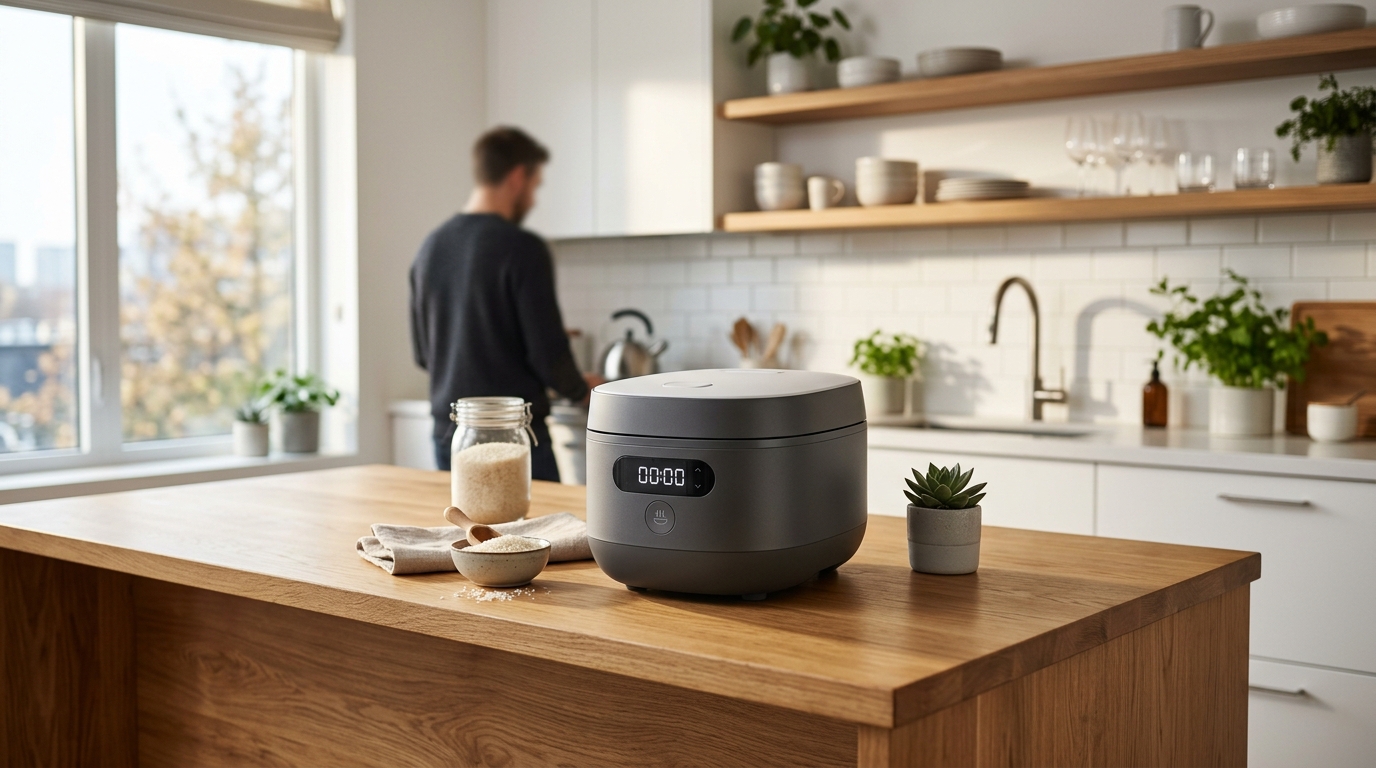
🛠️ Required Tools & Cleaning Agents
🔄 Alternative Detergents & Eco Tips
- White Vinegar → Alt: 1 Teaspoon Citric Acid (Strong descaling and sanitizing power without the pungent sour vinegar smell)
- Cleaning Pin → Alt: Wooden Toothpick (Safely dislodges dried starch without scratching metal nozzle coatings)
- Baking Soda → Alt: Diluted Soju or Rice Water (Soaking silicone gaskets in diluted alcohol draws out trapped sour warming odors)
✨ Step-by-Step Care Instructions
Step 1: Unplug Power Cord & Allow Unit to Cool Down
- Disconnect the electrical power plug completely to eliminate burns and electrical shock risks.
- If cooking finished recently, open the lid and allow the inner components to cool for 20 to 30 minutes.
- Slide out the condensation drip tray on the back of the cooker and empty stagnant starch water.
Step 2: Detach Stainless Cover Plate, Rubber Gasket & Soft Steam Cap
- Press the one-touch release button or pull the center knob to detach the stainless steel lid plate.
- Carefully pull the silicone rubber pressure gasket ring away from the stainless cover perimeter.
- Lift and unclip the external soft steam cap from the top exterior, followed by the internal pressure weight cap.
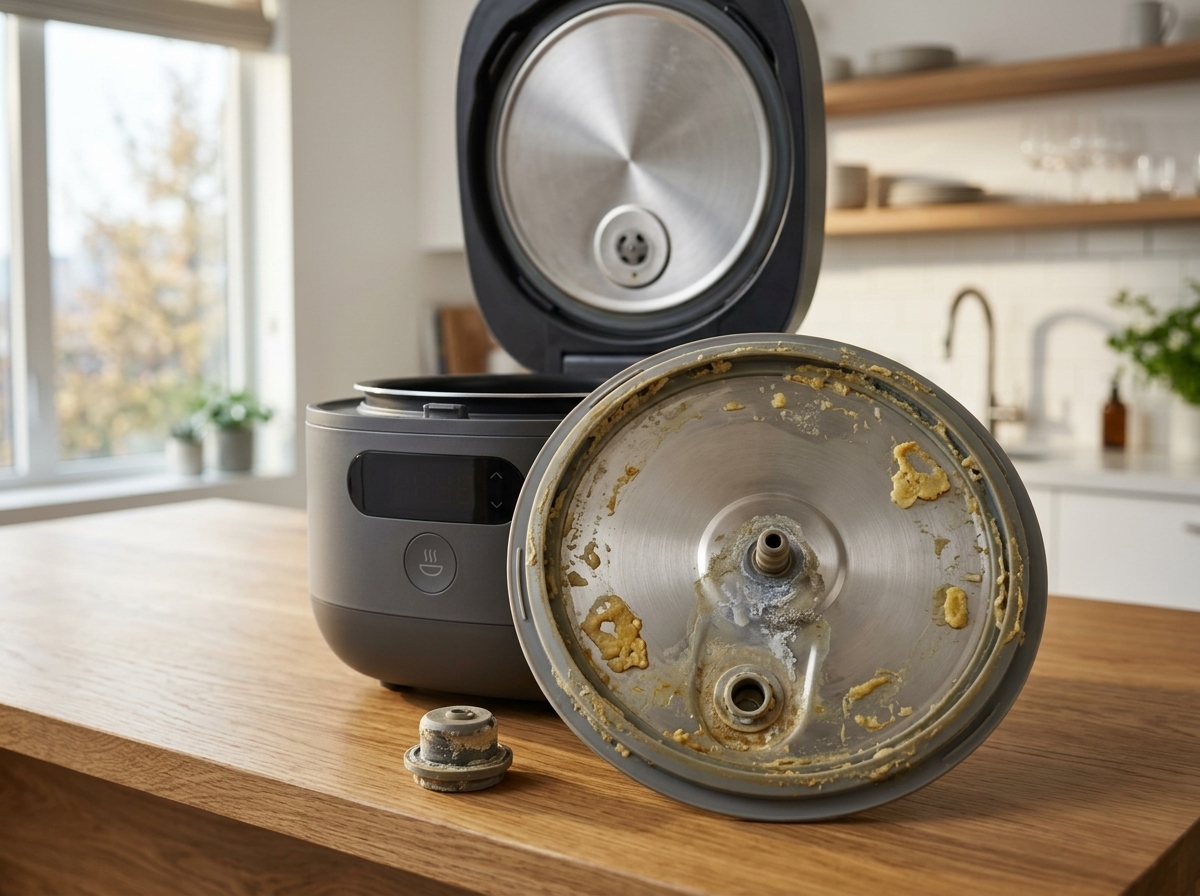
- Inspect the dried yellowish rice starch sludge and sour odor trapped inside gasket grooves.
Step 3: Soak in Warm Baking Soda Bath & Clear Steam Nozzle with Pin
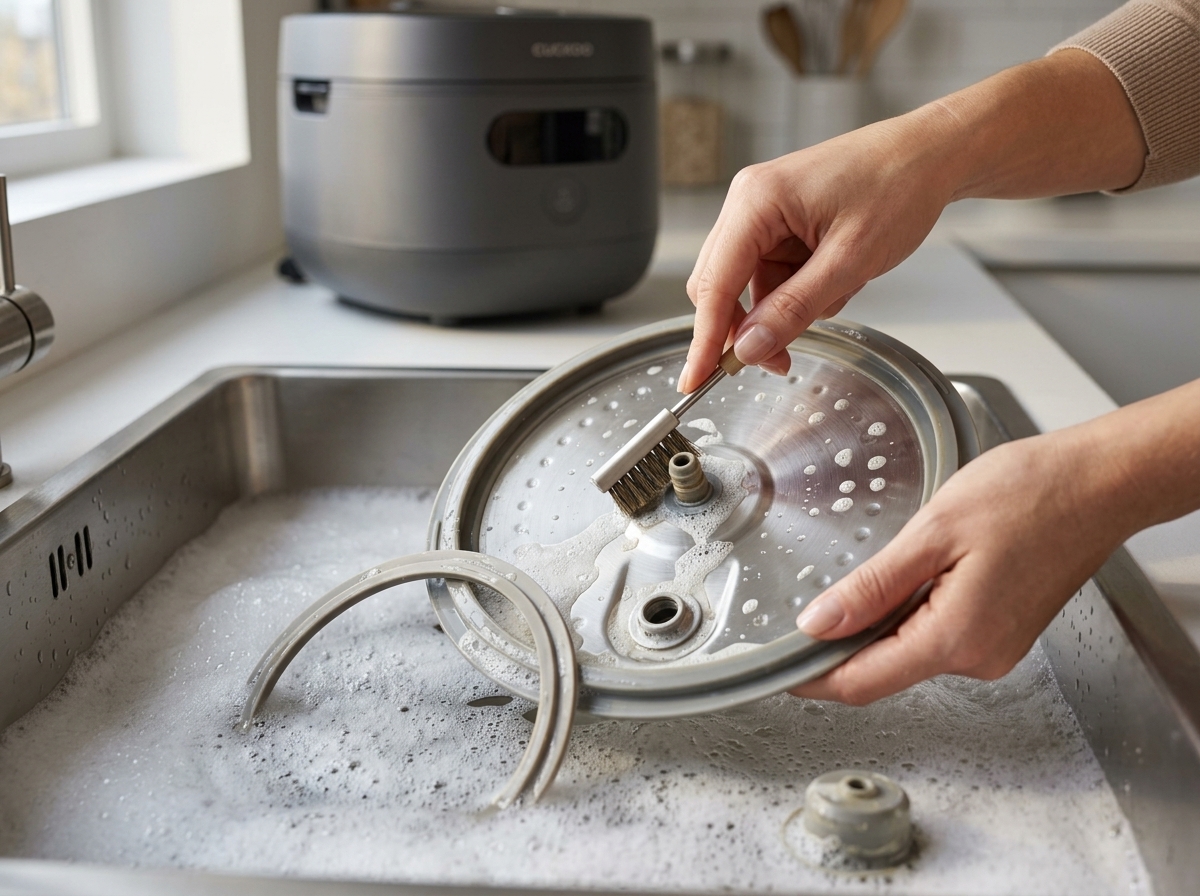
- Fill a sink basin with 40-50°C warm water, dissolve 2 tablespoons of baking soda, and soak the gasket and cover for 10 minutes.
- Gently scrub away dried starch paste and protein oils using a soft dish sponge (never use steel wool).
- Use a fine-bristle detail brush to clean narrow steam weight grooves and soft steam cap valve vents.
- Use the built-in cleaning pin from the cooker's bottom (or a wooden toothpick) to pierce and clear dried starch from the metal steam nozzle.
Step 4: Wipe Body Gutter Frames & Fully Air-Dry Reassembled Parts
- Wipe the cooker's upper rim gutter and gasket sealing surface with a tightly wrung damp microfiber cloth.
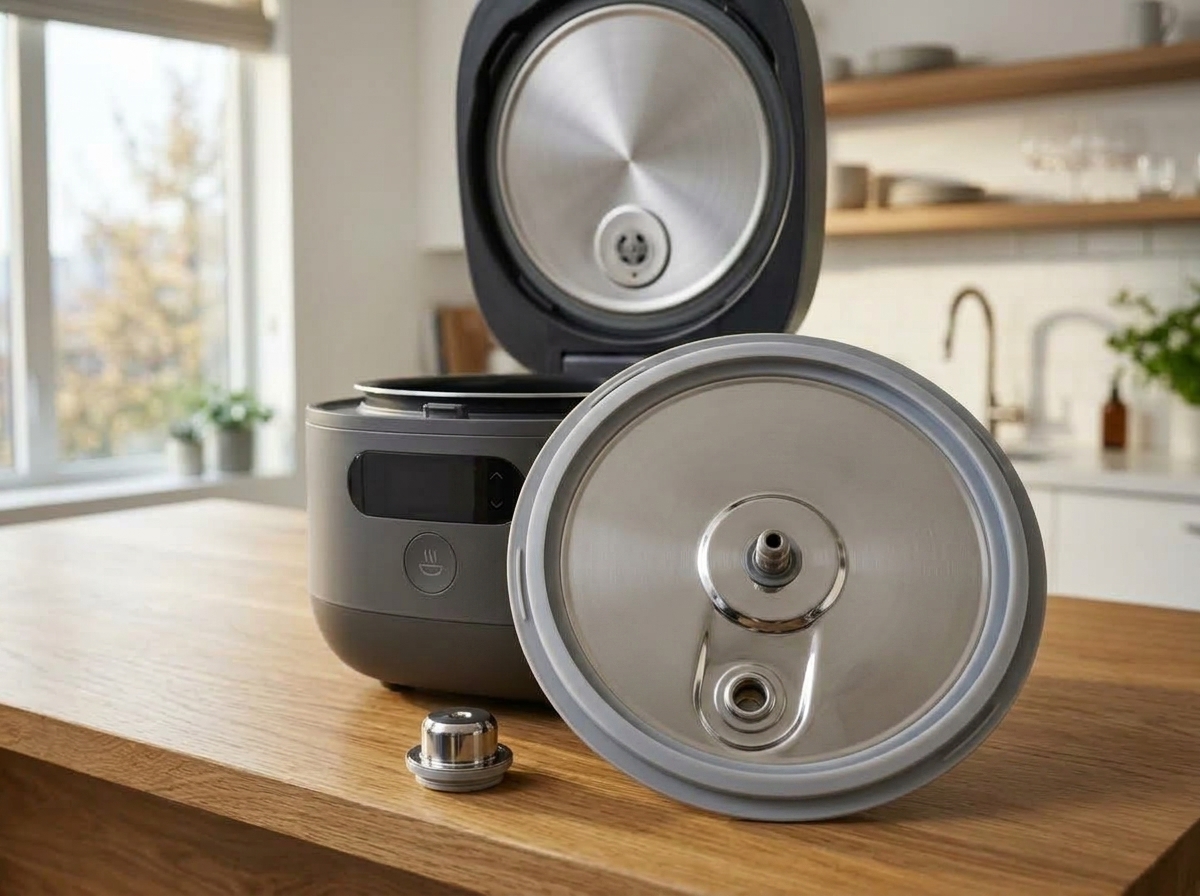
- Dry the washed stainless plate, silicone ring, steam cap, and drip collector thoroughly with a clean towel.
- Align the silicone gasket guide notches precisely into the cover rim, pressing firmly all around for an airtight seal.
- Push the detachable cover plate back into the lid until you hear a crisp locking click.
Step 5: Run Auto Steam Clean Mode with Vinegar for Total Sterilization
- Pour fresh tap water up to the '2 Cup' water mark in the inner pot and add 1-2 tablespoons of white vinegar (or 1 tsp citric acid).
- Place the inner pot inside, lock the lid handle into the 'Locked' pressure position.
- Select the 'Auto Clean' mode from the menu and press Start/Cook to run a 15-20 minute pressurized steam cycle.
- Once complete, internal steam pipelines and safety valves are 100% sanitized, restoring fresh, fragrant rice quality.
🩺 Self-Diagnosis Guide
✅ Can be restored with care
- Cooked rice smells stale, sour, or musty right after finishing cooking cycle
- Yellowish dried starch paste accumulated around the detachable cover plate and silicone ring
- Condensation drip collector on the back overflowing with foul stagnant water and mold
- Pressure weight fails to rock smoothly with steam venting irregularly from the lid perimeter
- Rice discolors yellow and turns dry/hard around edges within 6 to 12 hours of keep-warm mode
❌ Reached end of lifespan (Proper disposal required)
- Steam continuously leaks from lid edges even after installing a brand-new OEM gasket (broken lid latch hinge)
- Inner cooking pot Teflon non-stick coating severely peeling, exposing bare aluminum substrate
- Main internal power board fried from water ingress or burnt heating element
- Solenoid pressure safety valve failure causing erratic, dangerous steam blowout
⚠️ Important Safety Precautions
- Never submerge the main cooker body in water or rinse the control buttons under running taps (causes fatal electrical shocks).
- Never scrub the inner cooking pot with steel wool or abrasive scouring pads (ruins non-stick coatings).
- Keep hands and face well clear of the soft steam cap during pressure release cycles (extreme scalding steam risk).
- If steam hisses continuously from the lid edges during cooking, stop pressure cooking immediately until the gasket is replaced.
💡 Cost Efficiency & Professional Inspection Guide
💡 Pressure Rice Cooker Replacement Guide: 3 Key Technical Specs Before Buying
♻️ Reached end of lifespan?
Check local disposal regulations instead of forcing reuse.
❓ Frequently Asked Questions (FAQ)
Q. Why does my rice smell stale and sour only a few hours after cooking?
A. This happens when heat-resistant bacterial spores (such as Bacillus) multiply in stagnant starch paste trapped behind the detachable cover plate, inside the silicone gasket grooves, and in the rear condensation collector. Disassemble and hand-wash all parts with warm baking soda water, then run the 'Auto Clean' cycle with 2 cups of water and 1 tablespoon of vinegar to sterilize internal steam lines.
Q. When should I replace the silicone rubber pressure gasket on my rice cooker?
A. Pressure gaskets should typically be replaced every 12 to 24 months. If steam hisses from the lid perimeter during cooking, rice comes out undercooked or dry, or rice edges turn brown and hard within 6 hours of keep-warm mode, the silicone has lost elasticity and must be replaced with a genuine OEM gasket immediately.
Q. Can I use chlorine bleach instead of vinegar for the auto steam clean cycle?
A. Never use bleach. Heating sodium hypochlorite releases toxic, corrosive chlorine gas that severely damages respiratory systems and corrodes internal aluminum pressure tubes, solenoid valves, and non-stick pot coatings. Always stick to food-grade white vinegar or citric acid for descaling and sanitizing.
Q. Why is there a small metal cleaning pin attached underneath the bottom of the rice cooker?
A. The top pressure steam nozzle frequently accumulates sticky dried rice starch over time. If the nozzle gets clogged, internal steam pressure cannot release safely. The built-in cleaning pin located in the bottom plate is specifically designed to pierce and clear obstruction buildup from the nozzle opening. A wooden toothpick works as a safe alternative.