Post-Flood Home & Furniture Sterilization Guide | Mold Prevention & Water Damage Recovery
Emergency disaster recovery guide for removing flood water, sanitizing contaminated walls and furniture, and preventing toxic mold outbreaks following indoor water damage.
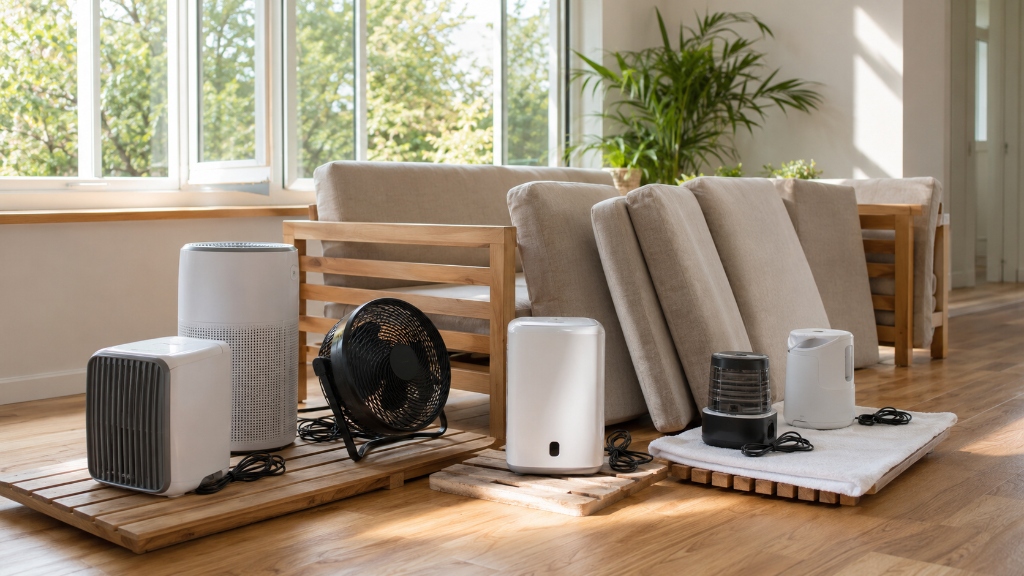
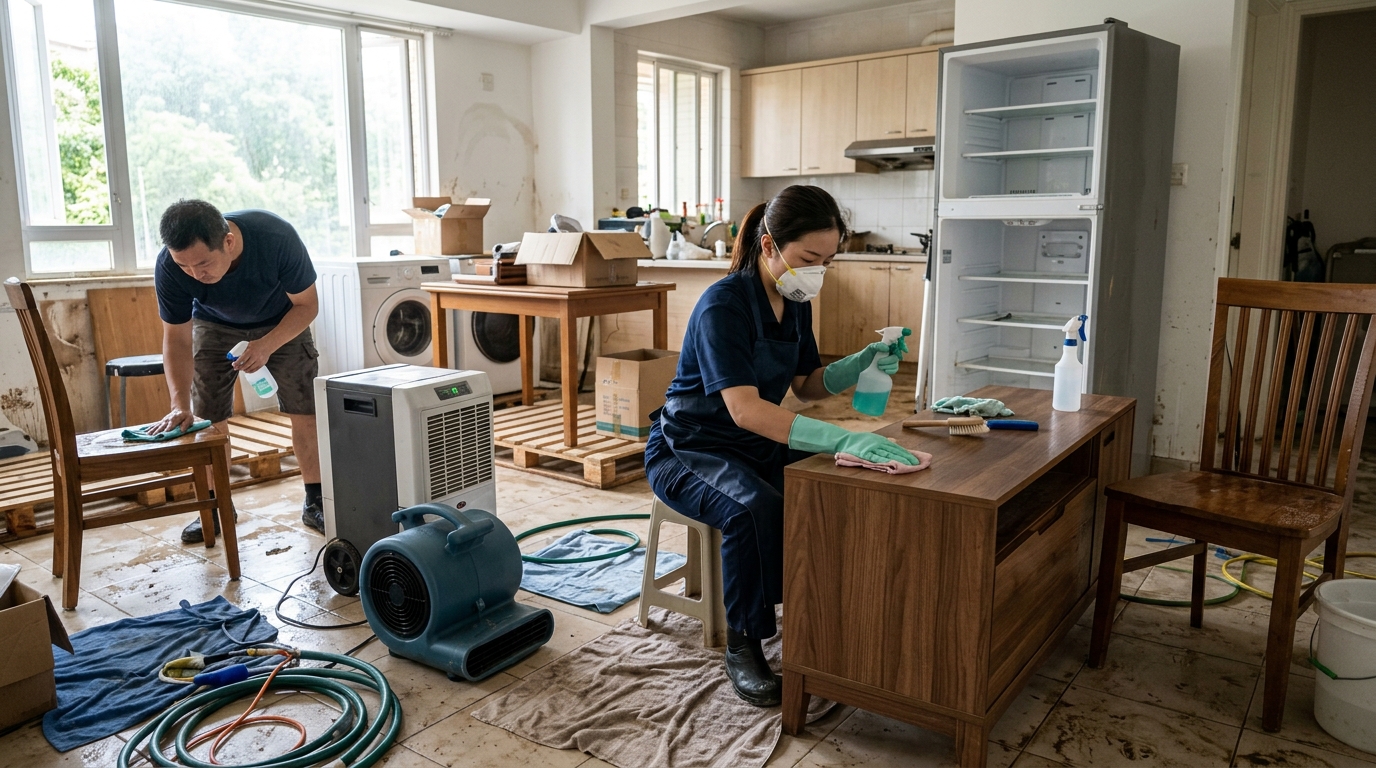
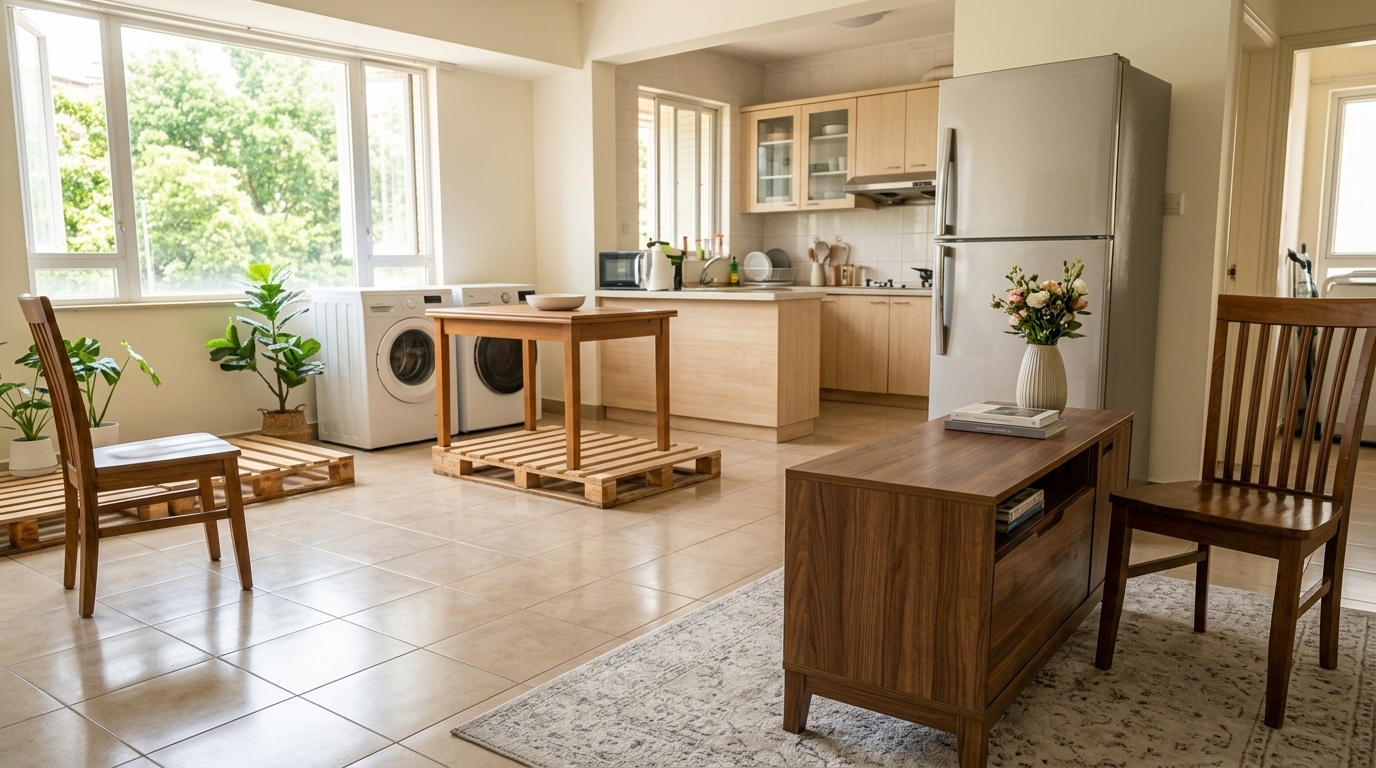
🛠️ Required Tools & Cleaning Agents
🔄 Alternative Detergents & Eco Tips
- Liquid Bleach → Alt: Commercial Hospital-Grade Quaternary Disinfectant (Safe for color fabrics and wood surfaces without bleaching discoloration)
- Industrial Fan → Alt: Home AC Dry Mode + Portable Electric Fan (Continuously circulates air to rapidly lower indoor ambient humidity)
✨ Step-by-Step Care Instructions
Step 1: Shut Off Electricity & Gas for Safety
- Never enter standing flood water until main electrical circuit breakers and gas valves are shut off.
- Wear heavy-duty rubber boots, waterproof gloves, and an N95 respirator mask.
- Floodwater contains dangerous sewage bacteria, chemical runoff, and electrical shock risks.
Step 2: Extract Standing Water & Discard Contaminated Porous Items
- Use heavy-duty squeegees, buckets, and wet-dry vacuums to push standing water out immediately.
- Discard soaked porous items (carpets, foam mattresses, particle board furniture) within 48 hours.
- Porous materials trap sewage pathogens that cannot be fully sanitized.
Step 3: Wash Solid Surfaces with Disinfectant Solution
- Mix 1 cup (200ml) of liquid bleach with 5 liters of water (or use quaternary disinfectant).
- Scrub hard tile floors, solid wood surfaces, and concrete walls thoroughly with stiff brushes.
- Leave disinfectant on surfaces for at least 10 minutes to kill bacteria and mold spores.
Step 4: Run Dehumidifiers & Maximize Air Circulation
- Close exterior windows and run dehumidifiers at continuous maximum power.
- Position electric fans to blow air across wet floors and wall bases.
- Rapid drying within 48 hours is critical to prevent toxic Stachybotrys black mold outbreaks.
Step 5: Verify 100% Structural Dryness Before Rebuilding
- Use a moisture meter or touch test to ensure drywall studs and subfloors are completely dry.
- Spray an anti-mold fungicidal primer before repainting or installing new wallpaper.
- Ensure indoor relative humidity remains stably below 50%.
🩺 Self-Diagnosis Guide
✅ Can be restored with care
- Solid wood furniture, tile floors, and metal appliances submerged for less than 24 hours
- Concrete walls and subfloors with surface moisture but structurally intact
- Washable clothing and bed linens sanitized in hot water washing cycles
❌ Reached end of lifespan (Proper disposal required)
- Particle board (MDF) furniture swollen, cracked, and separating from water absorption
- Drywall / plasterboard soaked with flood water over 50cm high (harbors toxic black mold inside)
- Mattresses, upholstered foam sofas, and carpets soaked in sewage-contaminated flood water
⚠️ Important Safety Precautions
- Never touch electrical panels or appliances while standing in flood water (fatal electrocution hazard).
- Do NOT attempt to save water-soaked mattresses or upholstered sofas (extreme pathogen biohazard).
- Always wear N95 / KF94 respirator masks when cleaning flood silt and dried mold spores.
💡 Flood Recovery & Submersible Pump Replacement Guide: 3 Key Technical Specs Before Buying
❓ Frequently Asked Questions (FAQ)
Q. Why must flood-damaged drywall and particle board be thrown away?
A. Drywall paper facing and particle board glue act as rich organic food for toxic black mold (Stachybotrys). Once saturated with contaminated flood water, they cannot be sanitized from within and must be cut out and replaced.
Q. Can flood-submerged home appliances be repaired and used?
A. Appliances submerged in water pose severe fire and electrocution hazards due to silt inside electrical coils and rusted PCB boards. They must be professionally cleaned and certified dry before plugging in.
Q. How do I disinfect clothing and bedding that were touched by flood water?
A. Wash machine-washable fabrics in the hottest water safe for the fabric with regular laundry detergent and color-safe disinfectant (or bleach for whites). Dry on high heat for at least 45 minutes.