Kitchen Sink & Bathroom Drain Odor Elimination Guide | Hot Water & Sodium Percarbonate Effervescence
Eco-friendly deep cleaning guide for dissolving rotten organic sludge, hair clogs, and sewer gas odors in kitchen sinks and bathroom floor drains using sodium percarbonate effervescence.
🛠️ Required Tools & Cleaning Agents
🔄 Alternative Detergents & Eco Tips
- Sodium Percarbonate → Alt: Baking Soda (1 cup) + Warm White Vinegar (1 cup) (Effective foaming acid-alkaline reaction for light deodorizing)
- Pipe Brush → Alt: Disposable drain snake / hair catcher (Physically pulls out accumulated hair clumps from bathroom traps)
✨ Step-by-Step Care Instructions
Step 1: Remove Strainer Basket & Clear Surface Debris
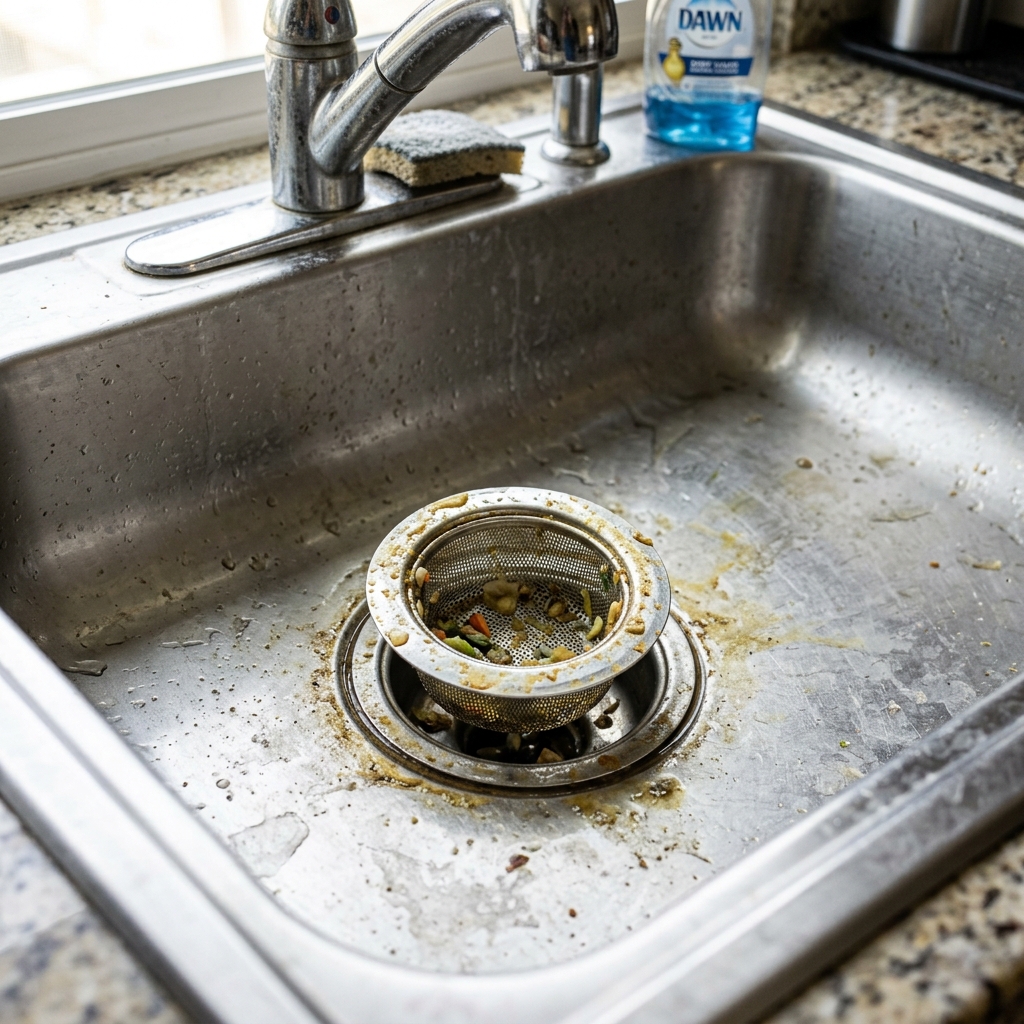
- Wear rubber gloves and remove the sink strainer basket and drain cover trap.
- Empty all food waste scraps and hair clumps into the appropriate trash bag.
- Scrub the strainer basket and rubber splash guard with dish soap and an old toothbrush.
Step 2: Pour Sodium Percarbonate Powder Directly into Drain
- Pour 1 to 2 cups (approx. 150g) of sodium percarbonate powder directly into the drain pipe.
- Ensure the powder settles onto the inner walls of the trap and pipe.
- Keep kitchen exhaust fans on to ensure good airflow.
Step 3: Slowly Pour Warm Water to Trigger Foaming Reaction
- Slowly pour 1-2 liters of warm water (60-70°C, not boiling) over the powder.
- Dense active oxygen foam will effervesce and expand throughout the drain pipe.
- The chemical reaction melts stubborn grease, kills anaerobic odor bacteria, and loosens biofilm.
Step 4: Close Drain Cap & Let Soak for 15 Minutes
- Cover the drain with the sink plug or an inverted small bowl to trap foaming vapors inside the pipe.
- Allow the effervescent solution to sit undisturbed for 15 to 20 minutes.
- During this time, the oxygen bubbles penetrate deep grease layers adhering to pipe bends.
Step 5: Flush with Abundant Hot Water & Reassemble Trap
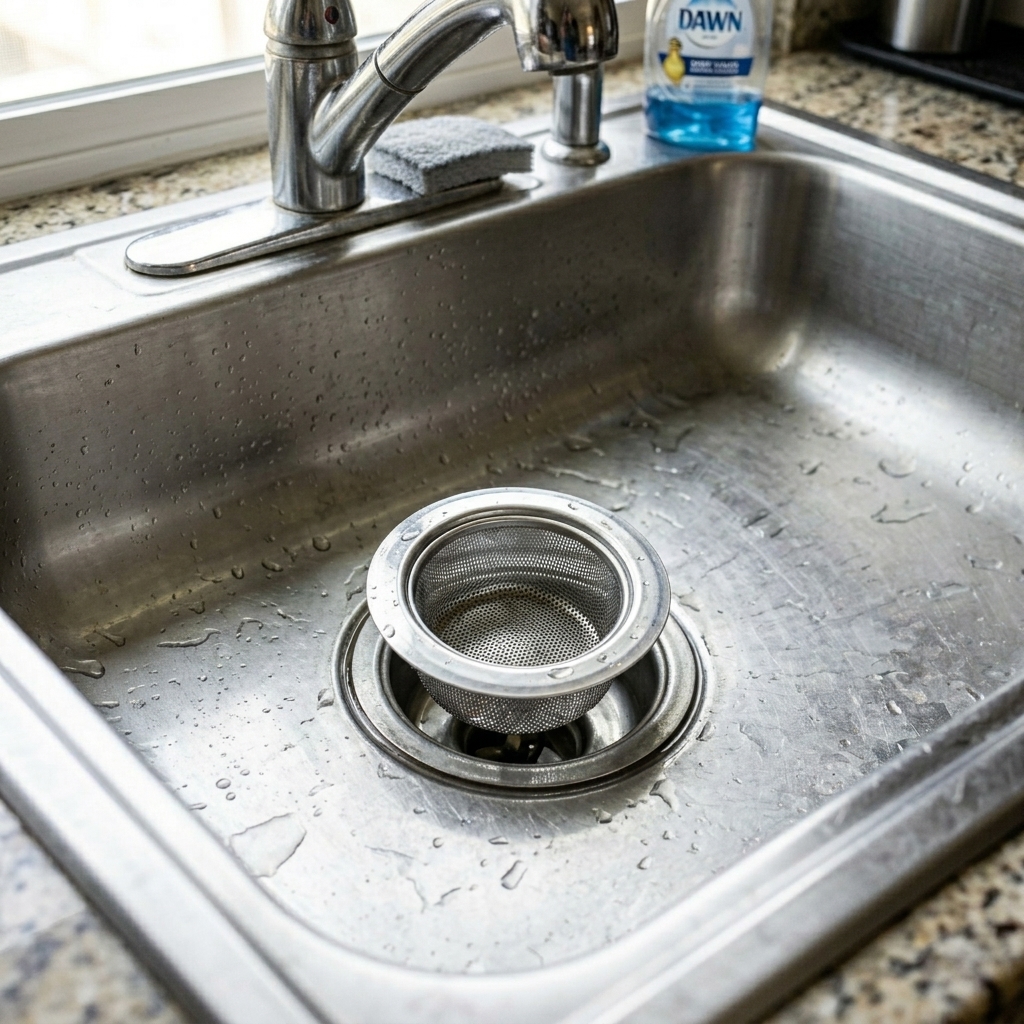
- Flush the drain thoroughly with hot tap water for 1-2 minutes to wash away all dissolved sludge.
- Reinstall the cleaned strainer basket and trap cover.
- Verify smooth, rapid water drainage and complete elimination of foul odors.
🩺 Self-Diagnosis Guide
✅ Can be restored with care
- Foul sewer odors rising from sink drain strainer during water drainage
- Black organic slime and grease sludge coating inner walls of drain pipe
- Slow water drainage caused by accumulated grease or soap scum buildup
❌ Reached end of lifespan (Proper disposal required)
- Cracked PVC drain pipe or perished rubber gasket causing persistent under-sink leaks
- Severe tree root intrusion or collapsed underground sewer line requiring excavation
- Corroded metal drain assembly with stripped threads leaking into floor slab
⚠️ Important Safety Precautions
- Do NOT pour 100°C boiling water into thin plastic/PVC accordion hoses (can cause pipe warping and leaks).
- Do NOT mix chemical drain openers (caustic soda) with bleach or vinegar (creates toxic fumes).
- Always ensure room ventilation when hot water reacts with sodium percarbonate.
💡 Drain Trap Replacement Guide: 3 Key Technical Specs Before Buying
♻️ Reached end of lifespan?
Check local disposal regulations instead of forcing reuse.
❓ Frequently Asked Questions (FAQ)
Q. Why does drain odor get worse during rainy or humid weather?
A. Low atmospheric pressure during rain causes sewer gases to rise more readily through pipes. Additionally, if the trap water seal dries out or has accumulated sludge, odor bacteria multiply rapidly in high humidity.
Q. Can I use caustic soda (lye) to unclog household drains?
A. While caustic soda dissolves hair and grease quickly, it generates extreme exothermic heat that can melt PVC pipes, and it poses severe burn hazards to skin and eyes. Sodium percarbonate or enzymatic cleaners are much safer.
Q. How do I stop fruit flies from breeding inside kitchen sink drains?
A. Drain flies feed on organic sludge inside pipes. Performing a weekly hot water and sodium percarbonate foaming treatment eliminates the organic biofilm where flies lay eggs.