Espresso Machine & Drip Coffee Maker Descaling Guide | Food-Grade Citric Acid Cleaning
Complete descaling and coffee oil degreasing guide for dissolving internal calcium scale, unclogging portafilter shower screens, and restoring brewing temperature using food-grade citric acid.
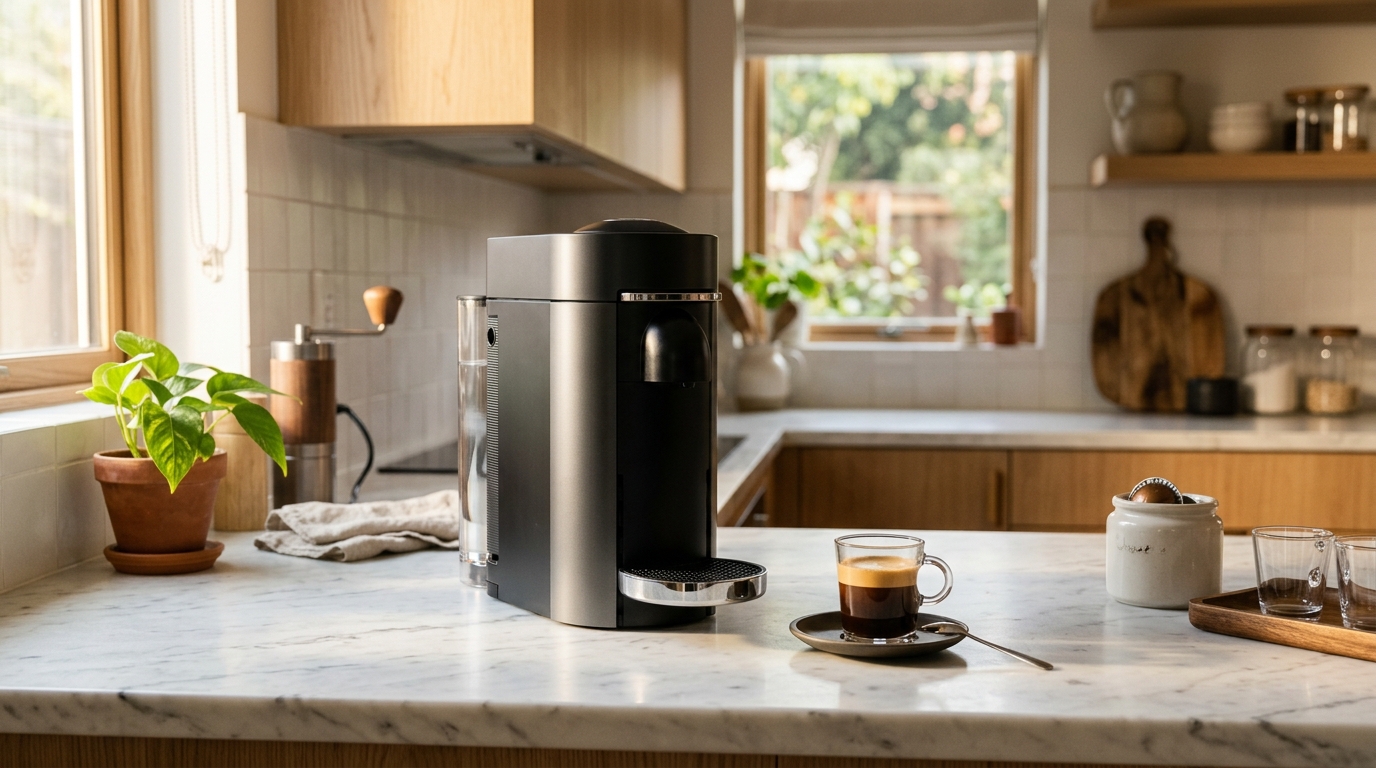
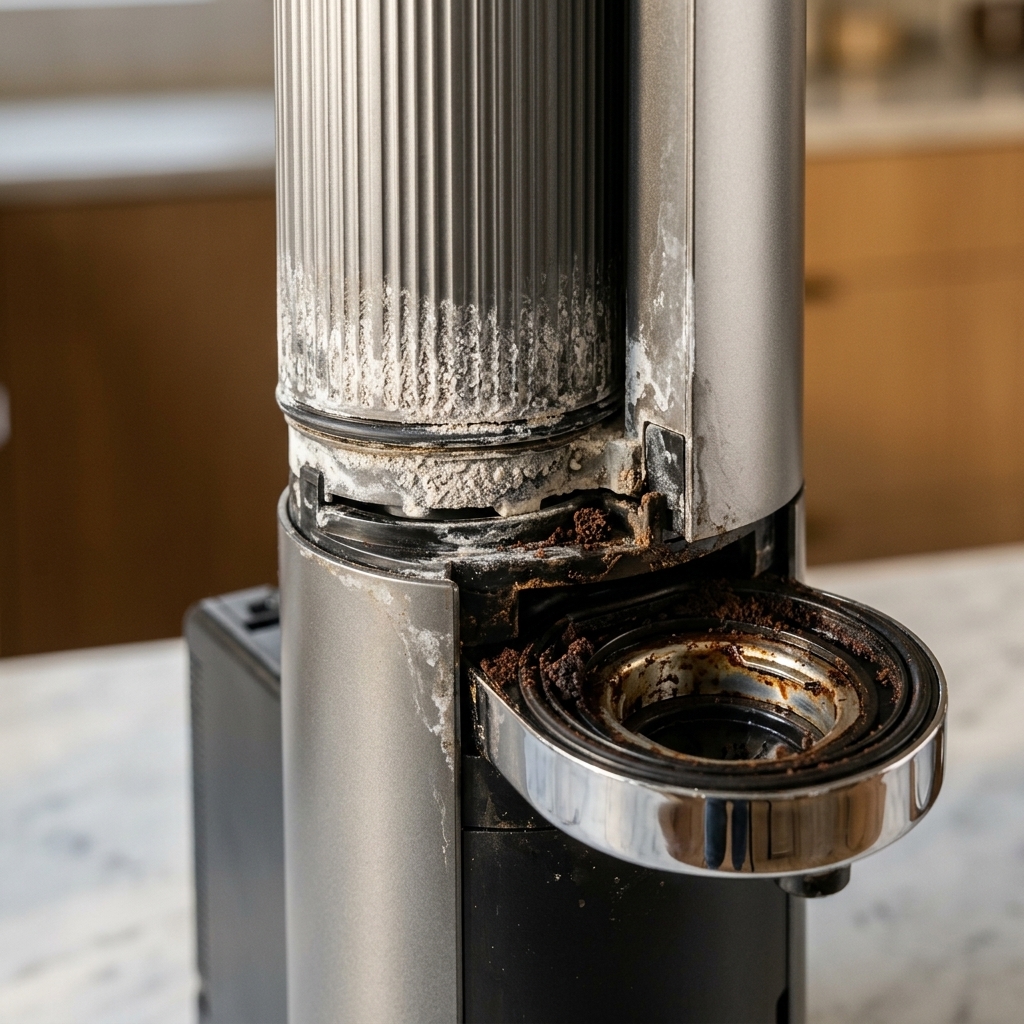
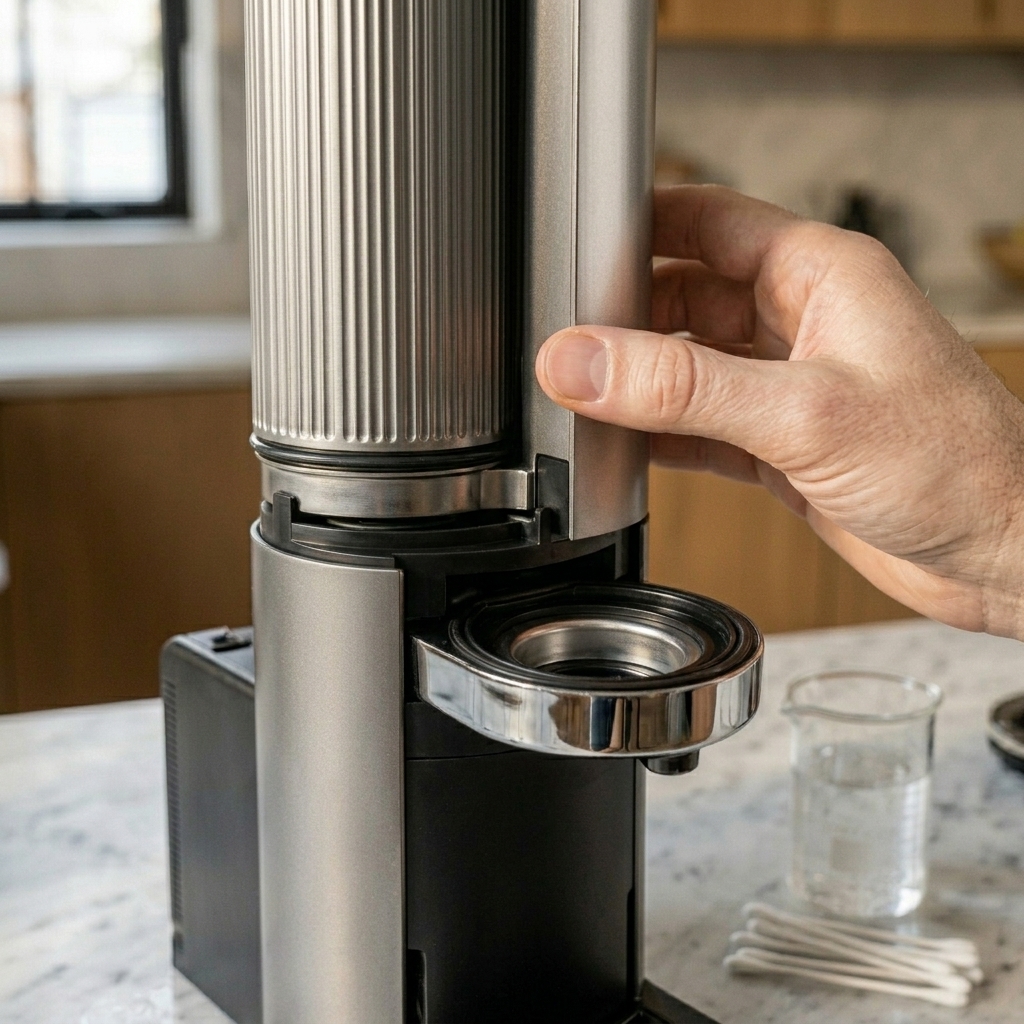
🛠️ Required Tools & Cleaning Agents
🔄 Alternative Detergents & Eco Tips
- Food-Grade Citric Acid → Alt: Commercial Espresso Descaling Solution (Specially formulated blend of lactic and sulfamic acids for high-end boiler machines)
- Portafilter Brush → Alt: Stainless Steel Espresso Backflush Disc (Used with espresso cleaning powder to clean 3-way solenoid valve systems)
✨ Step-by-Step Care Instructions
Step 1: Dissolve Citric Acid in Warm Water & Fill Reservoir
- Dissolve 2 tablespoons (approx. 20g) of food-grade citric acid powder into 500ml of warm water.
- Pour the descaling solution directly into the empty water reservoir tank.
- Remove any paper filters or coffee pods before beginning the descaling cycle.
Step 2: Run Half of Solution Through Brew Group Head
- Place a large pitcher under the brew head and steam wand.
- Run the brewing cycle until half of the citric acid solution has flowed through.
- Dispense a short burst through the steam wand to descale steam valves.
Step 3: Pause Machine & Let Soak for 15 Minutes
- Turn off or pause the coffee maker and let the solution sit inside internal pipes for 15 minutes.
- Citric acid chemically dissolves calcium and magnesium carbonate scale clogging narrow water channels.
- Use this time to brush coffee oils off the shower screen and portafilter with an old toothbrush.
Step 4: Run Remaining Solution & Empty Water Reservoir
- Turn the machine back on and run the remaining citric acid solution completely through the brew head.
- Notice cloudy or greenish-tinted water containing dissolved mineral scale and coffee residues.
- Discard the wastewater and rinse the water tank thoroughly with fresh tap water.
Step 5: Flush with 2 Full Tanks of Clean Water
- Fill the water reservoir to the maximum line with fresh clean water.
- Run 2 complete full-tank brewing cycles to flush out every trace of citric acid.
- Taste the final dispensed hot water to confirm zero sourness, ready for delicious coffee.
🩺 Self-Diagnosis Guide
✅ Can be restored with care
- Coffee extraction flow rate noticeably slower or dripping unevenly
- Brewed coffee temperature lukewarm or tasting metallic and sour
- White calcium scale deposits visible inside water reservoir tank
❌ Reached end of lifespan (Proper disposal required)
- Heating element boiler burst or cracked from extreme limescale buildup
- High-pressure vibration pump completely dead with no water delivery
- Severe internal boiler corrosion leaking water and tripping main electrical panel
⚠️ Important Safety Precautions
- Never use white vinegar in espresso machines if manufacturer recommends citric acid (vinegar leaves strong acetic taste).
- Do NOT use chlorine bleach or toxic industrial descalers in food-contact coffee machines.
- Always flush with at least 2 full tanks of clean water before brewing coffee to drink.
💡 Cost Efficiency & Professional Inspection Guide
💡 Espresso Coffee Maker Replacement Guide: 3 Key Technical Specs Before Buying
♻️ Reached end of lifespan?
Check local disposal regulations instead of forcing reuse.
❓ Frequently Asked Questions (FAQ)
Q. Why does my coffee maker need regular descaling?
A. When tap water is heated, dissolved calcium and magnesium minerals precipitate onto heating coils and narrow copper tubes. Over time, scale restricts water flow, lowers brewing temperature, and destroys the heating boiler.
Q. Can I use white vinegar instead of citric acid to descale?
A. White vinegar can dissolve scale, but its pungent acetic acid smell penetrates silicone gaskets and plastic pipes, leaving a sour vinegar taste in your coffee for weeks. Odorless citric acid is far superior.
Q. Why is coffee pouring slowly in drips instead of a steady stream?
A. This is caused by either mineral scale restricting the internal thermoblock or fine coffee grounds clogging the group head shower screen. Descaling and brushing the shower screen restores full flow.