Hiking & Backpacking LNT Waste Guide: Pack-It-Out & Isobutane Canisters
- 1Contrary to the myth that fruit rinds act as natural fertilizer, apple cores, banana peels, and citrus rinds take months to over two years to decompose due to tough cellulose and pesticide residues.
- 2Their lingering sugars attract wild boars and scavengers to hiking trails, habituating wildlife and endangering hikers.
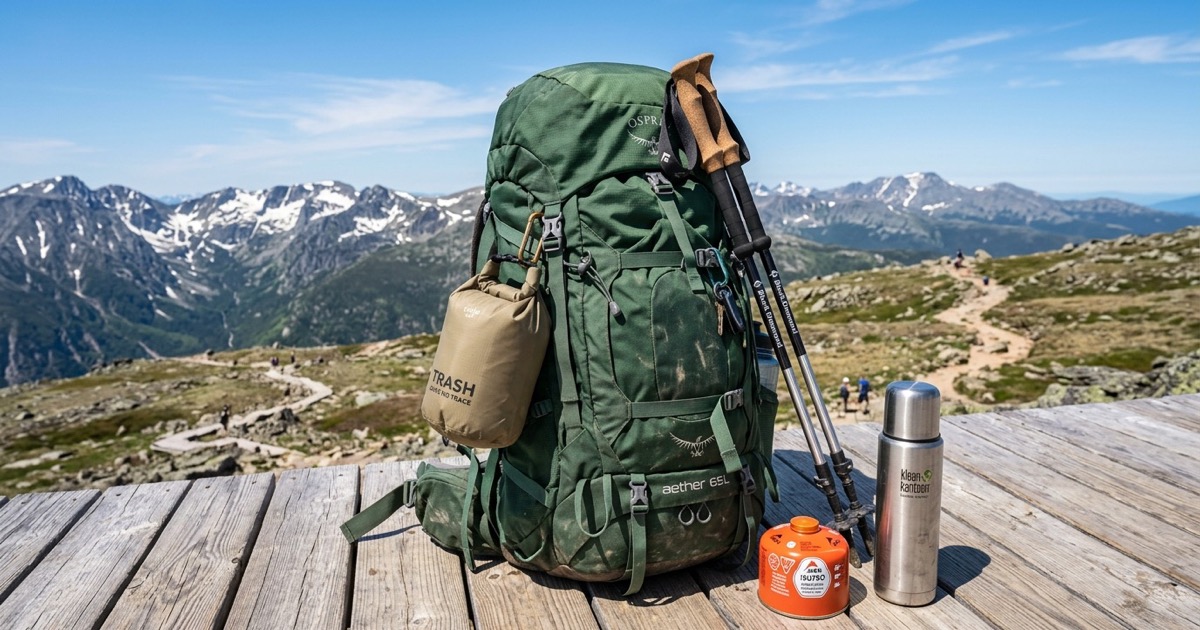
- 3Pack out 100% of organic waste, snack wrappers, and non-biodegradable polyester wet wipes inside airtight dry bags.
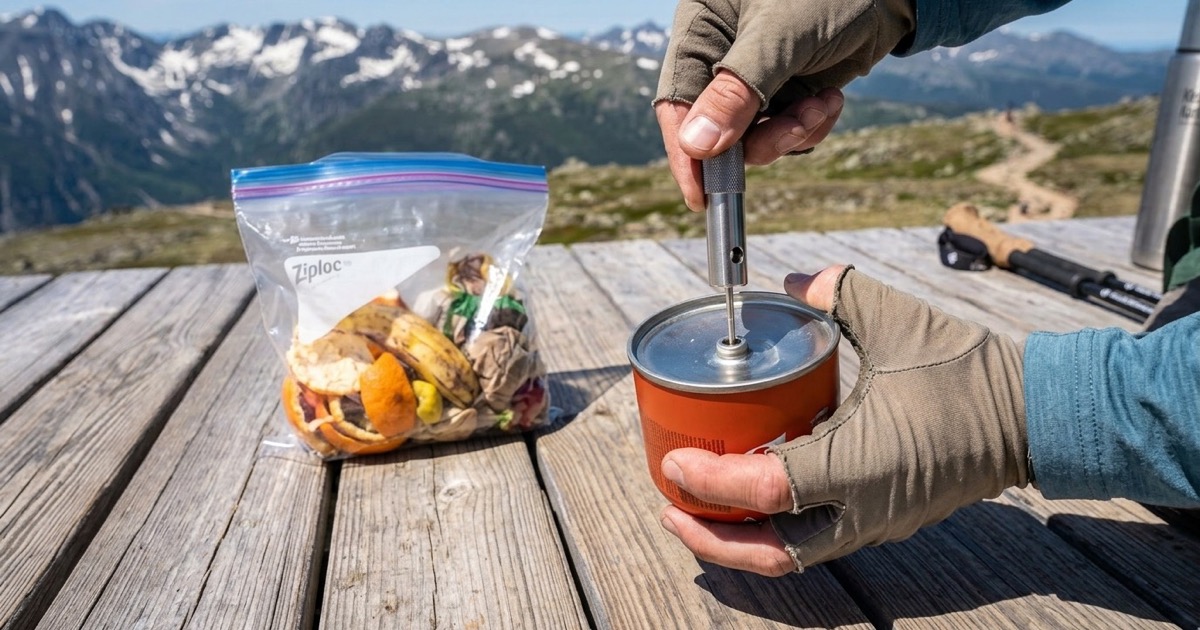
- ✓Used camping isobutane fuel canisters must have residual gas completely vented outdoors, punctured twice at the base using a canister punch tool, and placed in scrap metal recycling to prevent catastrophic explosions during waste compaction.
Follow these steps
- 1
Airtight packing of all fruit peels & food scraps: Banana, apple, and citrus peels take years to break down and disrupt wildlife diets; seal all organic scraps inside odor-proof dry bags and pack them out completely.
- 2
Pack out wet wipes, noodle wrappers & wooden chopsticks: Wet wipes are woven from non-biodegradable synthetic plastic fibers; never bury them in soil—pack out in general trash.
- 3
Completely vent residual isobutane outdoors: Away from open flames in a well-ventilated outdoor area, press the canister valve against a rock or ground until all hissing stops completely.
- 4
Safely puncture canister base twice & sort to scrap metal: Use a dedicated camping canister punch tool or puncture spike to punch 2 vent holes in the bottom, then sort into scrap metal recycling.
- 5
Weigh trash for Korea National Park Green Points: Bring gathered trail trash to National Park visitor centers to weigh it and earn Green Points for shelter bookings and parking discounts.
Frequently asked question
Do apple and banana peels decompose naturally as trail fertilizer?
Absolutely not. Thick citrus rinds and banana skins take months to over two years to decompose in cool, dry alpine environments. Leftover sugars and odors habituate wild boars and crows to human food, drawing dangerous wildlife to trails and degrading native flora; pack out 100% of organic waste.
Why must empty camping isobutane fuel canisters be punctured after hiking?
Yes, puncturing is mandatory. Even seemingly empty canisters retain pressurized volatile gas vapor. Direct summer heat or garbage truck compaction will trigger severe explosions, projecting metal shrapnel and injuring sanitation workers. Vent all residual gas outdoors, puncture two holes in the base, and recycle as scrap metal.
How do I participate in the Korea National Park Green Point system?
Collect your own trail trash or litter found along paths in a bag. Upon descending, visit a National Park Visitor Center to weigh it; you earn 2 Green Points per gram (up to 1,000 points daily), which can be redeemed for park campsite fees, shelter bookings, or parking discounts.