Deceased Estate Cleanout & Belongings Disposal (Self-Process, Bulky Waste Sticker & Service Cost)
Clearing a deceased person's estate requires handling legal assets, sorting sentimental items, and categorizing large amounts of household waste. Following a structured order—sorting valuable documents first, using free e-waste collection, clothing buybacks, and district bulky waste stickers—saves millions of won compared to full contractor cleanouts.
Follow these steps
- 1
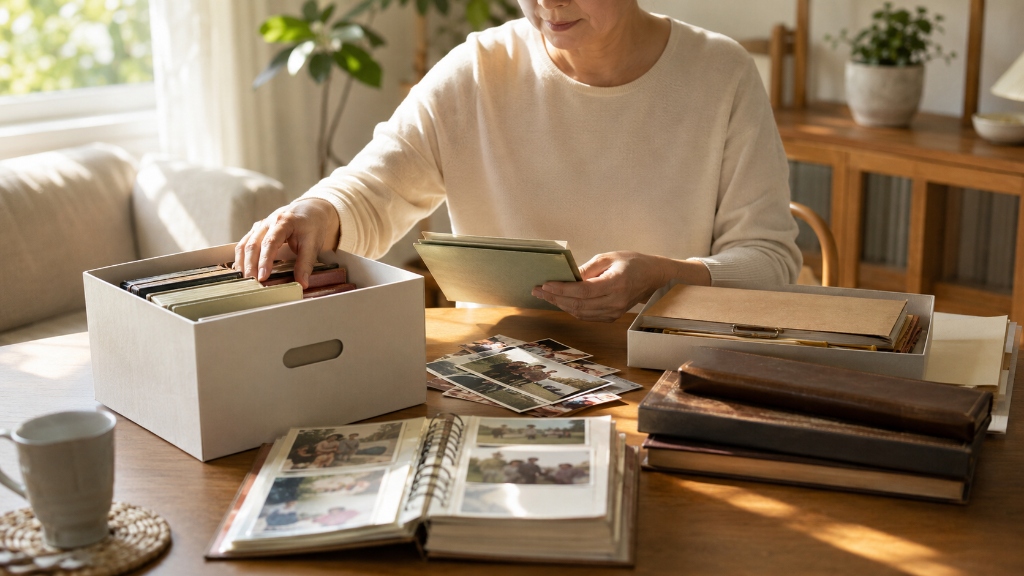
Step 1 (Valuables & Legal Documents): Search for bankbooks, property deeds, cash, jewelry, insurance policies, ID cards, and photo albums first before discarding any items.
- 2
Step 2 (Clothing & Bedding Sorting): Sell wearable clothes and shoes via home clothing buyback pickup per kg, or drop in clothing bins; dispose of heavy stuffed comforters as bulky waste.
- 3
Step 3 (Free E-Waste Collection): Reserve free home pickup for large appliances (fridges, washers, TVs, ACs) via national hotline 1588-1590 without paying district fees.
- 4
Step 4 (Bulky Waste Stickers): Register furniture, mattresses, and non-combustible ceramic waste on your district office portal, pay official fees, attach codes, and place outside.
- 5
Step 5 (Professional Estate Clearance Option): For overwhelming volumes or special sanitation needs, hire licensed estate cleanout contractors (approx. ₩300,000–₩500,000 per 3.3m²).
Frequently asked question
Is it illegal or legally risky to dispose of a deceased person's belongings immediately?
Yes. If considering inheritance renunciation due to deceased debts, selling or discarding valuable assets can be classified as inheritance acceptance under civil law. Consult a legal expert before disposal.
How much does a professional estate clearance service cost in Korea?
Costs range from ₩1.5M to ₩2.5M for a typical 50m² apartment (approx. ₩300k–₩500k per 3.3m²), depending on waste volume, elevator availability, and special sanitation needs.
How should I handle the deceased's smartphone, bankbooks, and ID cards?
Submit ID cards during death notification. Cancel mobile service at carrier branches using death certificates. Use government One-Stop Financial Search Service for bank accounts.
How do I dispose of prescription medicine, medical gear, and religious books?
Unused prescription medicine must go to pharmacy e-medicine collection boxes. Paper books go to paper recycling, and non-recyclable items go to general trash bags.