Running Shoe Insole Sweat Odor & Bacteria Sanitization Guide | Baking Soda Soak
Hygiene care guide for sterilizing orthotic and running shoe insoles, neutralizing foul isovaleric acid foot sweat odors, and preserving arch support cushioning foam.
🛠️ Required Tools & Cleaning Agents
🔄 Alternative Detergents & Eco Tips
- Baking Soda → Alt: Hypochlorous Acid (HOCl) Sanitizer Spray (Quick daily no-rinse spray that kills 99.9% of foot odor bacteria)
- Hand Soap → Alt: Tea Tree Oil Drops (2 drops) (Natural antifungal essential oil that eliminates athlete's foot fungus)
✨ Step-by-Step Care Instructions
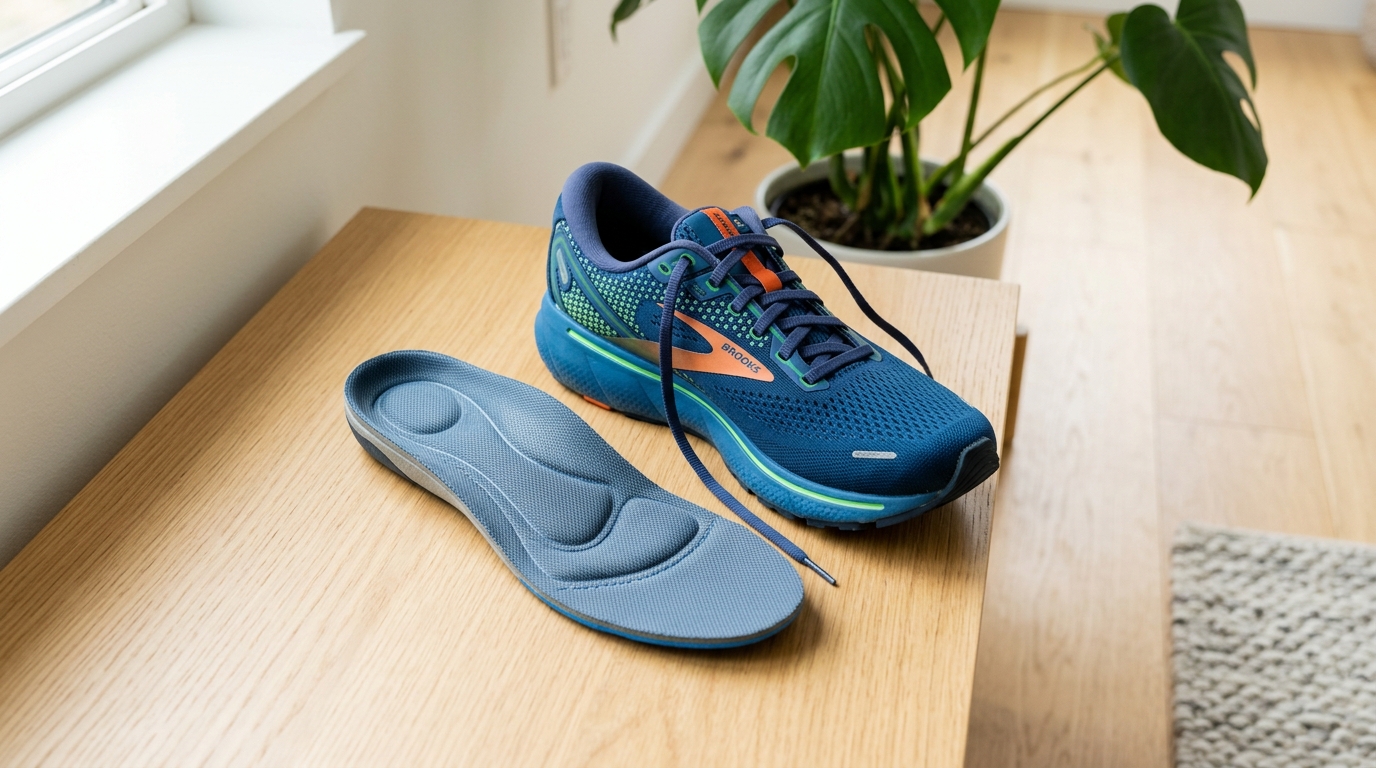
Step 1: Pull Insoles Out of Running Shoes
- Gently pull insoles straight up and out from the heel area.
- Inspect the underside foam and arch support structure for dirt and moisture.
- Never wash insoles while still inside the running shoes.
Step 2: Prepare Warm Baking Soda Bath
- Fill a washbasin with lukewarm water (approx. 30-40°C).
- Dissolve 2 tablespoons of baking soda and 1 teaspoon of mild hand soap.
- Alkaline baking soda chemically neutralizes isovaleric acid (the root cause of foot odor).
Step 3: Submerge Insoles & Scrub with Soft Toothbrush
- Submerge insoles and soak for 5 to 10 minutes to loosen sweat salts.
- Use a soft toothbrush to gently scrub the top fabric layer in small circular motions.
- Focus on heel and toe strike areas where sweat glands and skin cells concentrate.
Step 4: Rinse with Cold Water & Press Out Moisture with Towel
- Rinse insoles thoroughly under cold running water until all soap residue is gone.
- Sandwich insoles between a folded dry bath towel and press firmly with your hands.
- Never twist, wring, or bend insoles (warps arch support curvature).
Step 5: Lay Flat to Dry in Well-Ventilated Shaded Area
- Lay insoles flat on a towel in a breezy, shaded area to dry completely.
- Never dry in direct scorching sun or with hot hairdryers (prevents EVA foam shrinkage).
- Insert back into running shoes only when 100% dry to prevent bacterial recurrence.
🩺 Self-Diagnosis Guide
✅ Can be restored with care
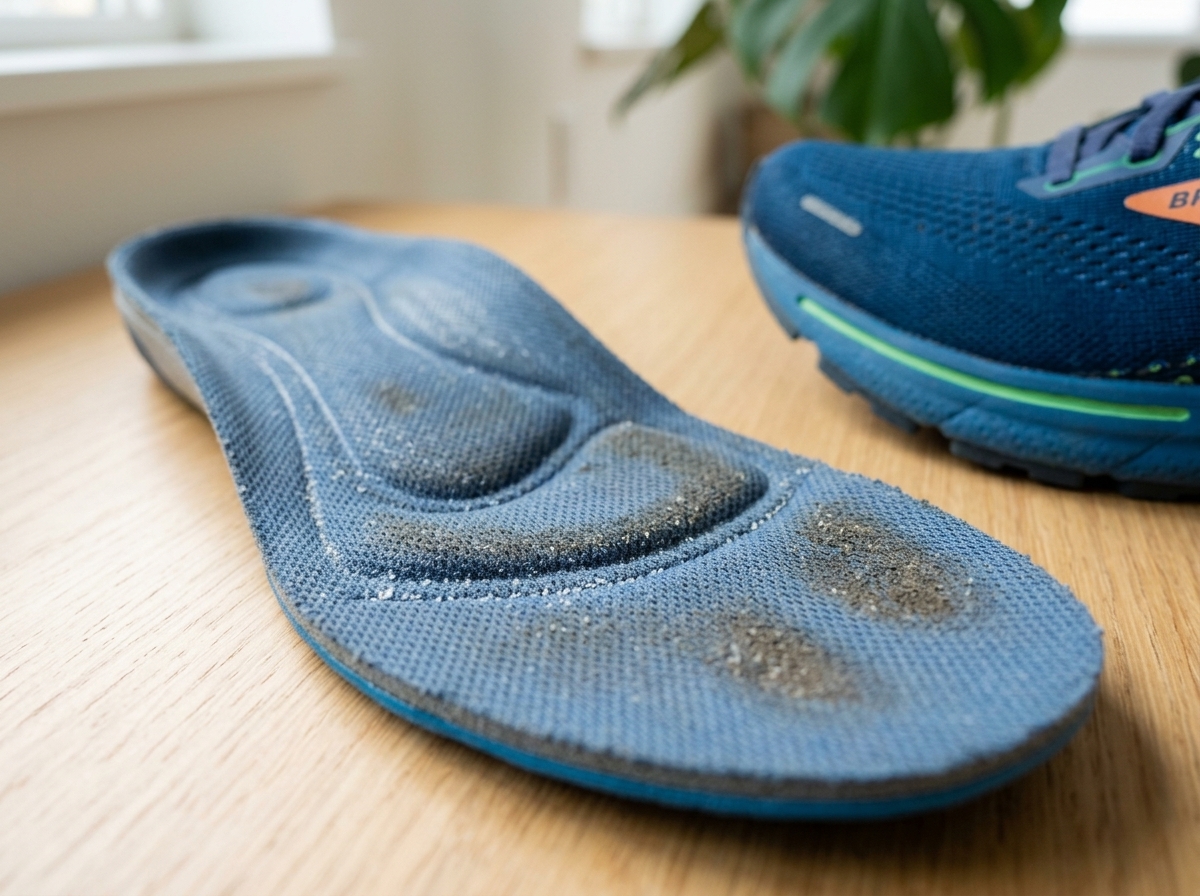
- Dark foot sweat outlines and white salt rings stained into insole top fabric
- Pungent sour foot sweat odor trapped in open-cell insole foam
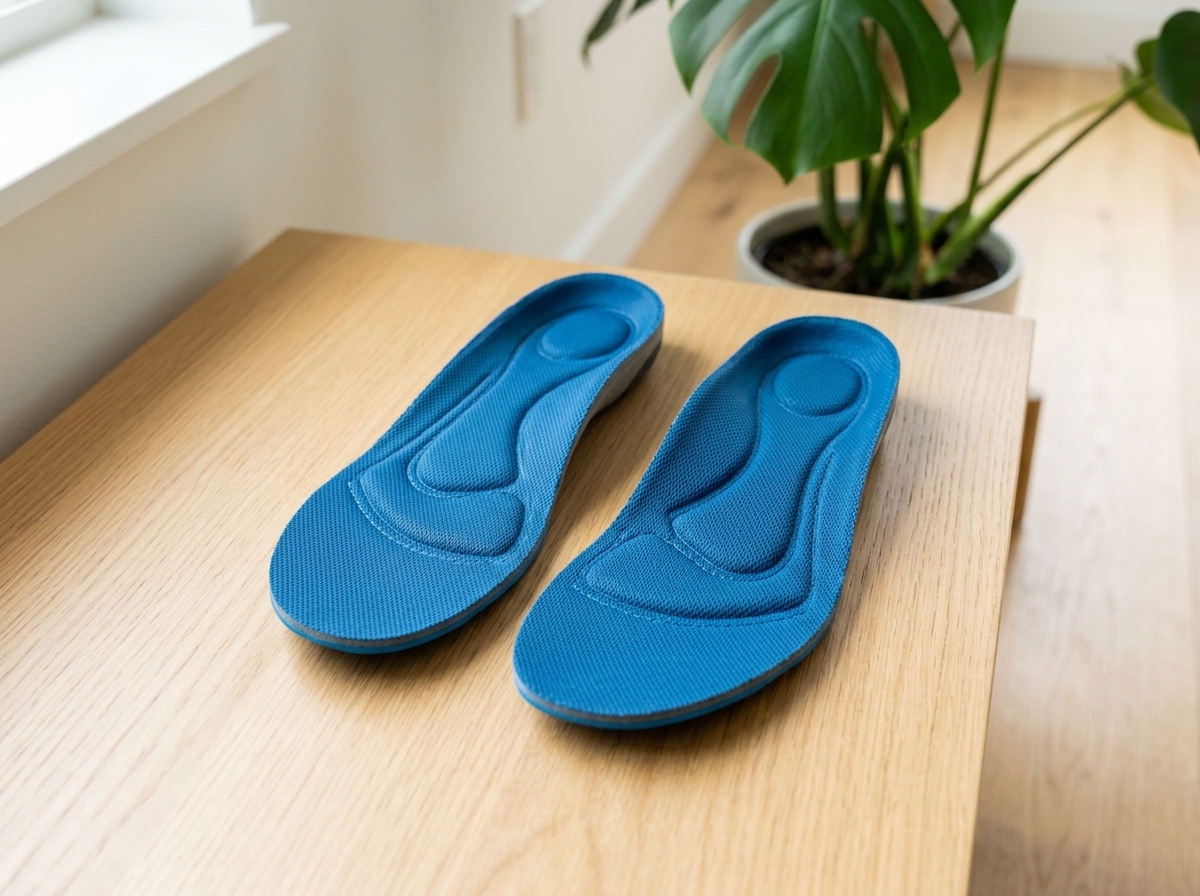
- Arch support structure and heel cup foam cushioning still resilient and bouncy
❌ Reached end of lifespan (Proper disposal required)
- Heel cup or forefoot foam compressed paper-thin with zero shock absorption left
- Top cloth fabric peeling, fraying, or rolling up under toes
- Insole cracked in half or rigid orthotic carbon arch support snapped
⚠️ Important Safety Precautions
- NEVER put running insoles in clothes dryers or under direct hot sun (shrinks foam and curls edges).
- Do NOT wring or twist insoles like a rag (destroys molded arch support shape).
- Do NOT re-insert damp insoles into shoes (causes intense fungal and bacterial growth).
💡 Running Shoe Insole Replacement Guide: 3 Key Technical Specs Before Buying
♻️ Reached end of lifespan?
Check local disposal regulations instead of forcing reuse.
❓ Frequently Asked Questions (FAQ)
Q. Why do shoe insoles smell so bad even when socks are washed?
A. Foot sweat contains isovaleric acid produced by Brevibacterium feeding on dead skin cells. Open-cell foam insoles absorb sweat like a sponge. Regular baking soda washing neutralizes this acid effectively.
Q. How long do running shoe insoles last?
A. Standard factory insoles lose cushioning after 500-800 km (roughly the lifespan of the shoe). Premium aftermarket orthotic insoles typically last through 2-3 pairs of running shoes if washed gently.
Q. Can I use boiling water to sanitize insoles?
A. No. Boiling water melts the EVA foam and thermo-molded plastic arch bridges, causing irreversible warping and shrinkage. Always use lukewarm or cold water.