Mattress Sweat Stains & Urine Odor Spot Cleaning Guide | Hydrogen Peroxide & Baking Soda Paste
Step-by-step spot cleaning guide for lifting yellow sweat rings, beverage stains, pet urine odors, and surface mildew on non-washable mattresses using hydrogen peroxide and baking soda adsorption.

🛠️ Required Tools & Cleaning Agents
🔄 Alternative Detergents & Eco Tips
- Hydrogen Peroxide → Alt: Enzyme-based Fabric Stain Remover Spray (Specifically breaks down organic protein stains like blood and pet urine)
- Baking Soda → Alt: Cornstarch or Talcum Powder (Absorbs residual moisture and neutralizing acidic sweat odors)
✨ Step-by-Step Care Instructions
Step 1: Vacuum Mattress Surface & Remove Loose Dust
- Strip all bed linens, mattress protectors, and pillowcases for hot water laundering.
- Use a vacuum upholstery attachment to thoroughly vacuum dust, dead skin flakes, and hair from the mattress.
- Pay close attention to mattress seams, quilting crevices, and button tufts.
Step 2: Prepare Hydrogen Peroxide Cleaning Solution
- Mix 100ml of 3% hydrogen peroxide, 2 tablespoons of baking soda, and 1 drop of liquid dish soap in a spray bottle.
- Swirl gently without shaking vigorously to prevent excessive foaming.
- Perform a small spot-test on a hidden corner to verify fabric colorfastness.
Step 3: Lightly Spray Stained Area & Blot with Cloth
- Lightly mist the stained area (do NOT soak the mattress deeply into internal foam layers).
- Dab and press firmly with a clean dry microfiber towel from the outer edges toward the center.
- Avoid vigorous rubbing, which can push stain pigments deeper into mattress batting.
Step 4: Apply Baking Soda Layer to Deodorize & Absorb Moisture
- Sprinkle a generous layer of dry baking soda over the damp cleaned area.
- Allow it to sit for at least 1-2 hours (or until completely dry).
- Baking soda draws out deep moisture and neutralizes lingering organic odors.
Step 5: Vacuum Dried Powder & Complete Ventilation
- Vacuum all dried baking soda powder thoroughly using your vacuum cleaner.
- Use a hairdryer on cool air setting or place an electric fan nearby to ensure 100% core dryness.
- Fit a waterproof mattress protector before replacing bed sheets.
🩺 Self-Diagnosis Guide
✅ Can be restored with care
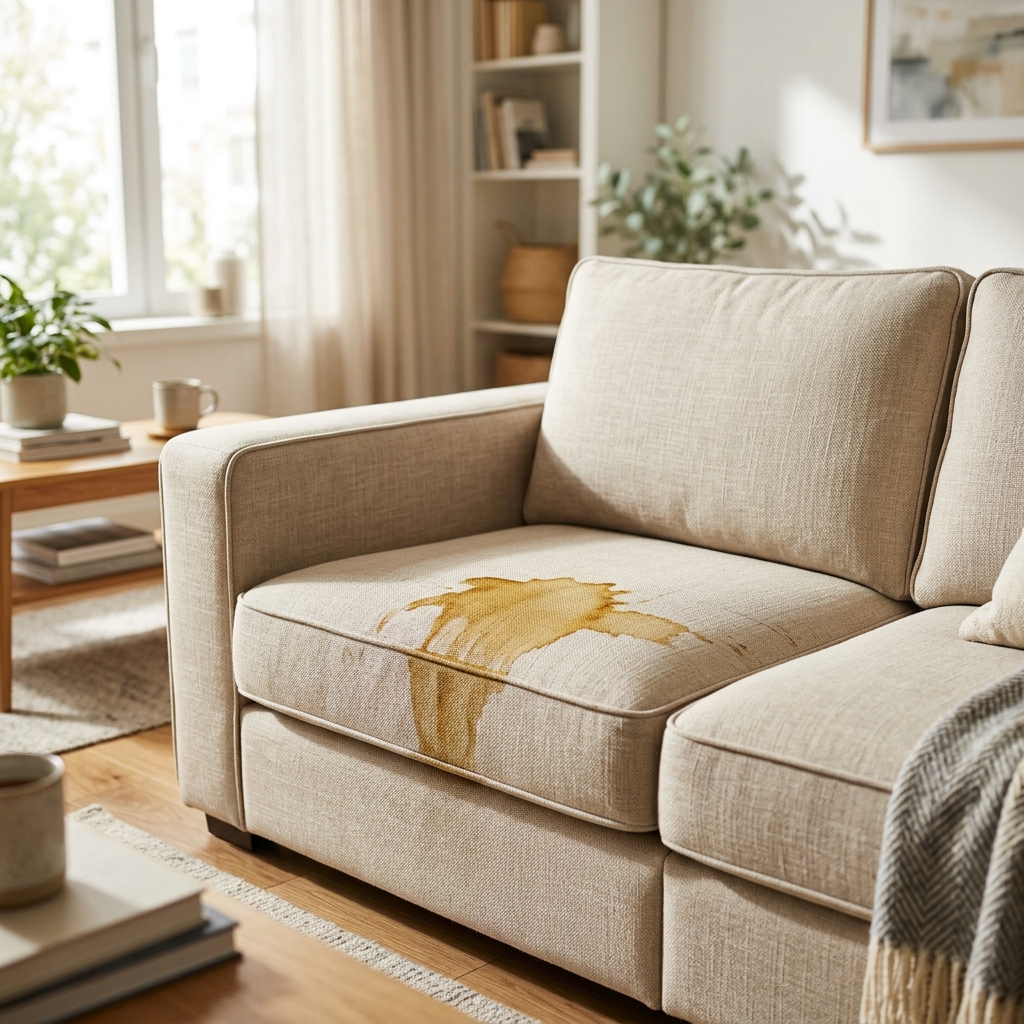
- Yellow sweat halos and beverage spills on the mattress top fabric layer
- Fresh or dried pet urine / child bedwetting stains with localized odor
- Surface dust mite accumulation and minor localized humidity odor
❌ Reached end of lifespan (Proper disposal required)
- Deep inner spring / foam core completely saturated with black mold spreading throughout
- Severe spring deformation causing significant sagging and spinal discomfort
- Mattress fabric torn or infested with bed bugs requiring professional disposal
⚠️ Important Safety Precautions
- Do NOT soak the mattress with excessive water (trapped moisture inside memory foam leads to toxic mold).
- Do NOT use hot air hair dryers directly on latex or memory foam (causes material breakdown).
- Avoid strong bleach or chlorine cleaners (causes severe yellowing and fabric fiber degradation).
💡 Cost Efficiency & Professional Inspection Guide
💡 Mattress Replacement Guide: 3 Key Technical Specs Before Buying
♻️ Reached end of lifespan?
Check local disposal regulations instead of forcing reuse.
❓ Frequently Asked Questions (FAQ)
Q. How do I remove old dried blood stains from a mattress?
A. Never use hot water on blood (it sets proteins). Apply cold 3% hydrogen peroxide directly onto the stain, let it fizz for 5 minutes, blot with a cold damp cloth, and repeat until lifted.
Q. Can memory foam mattresses be steam cleaned?
A. No. High heat and moisture from steam cleaners can degrade memory foam polymers and leave trapped moisture inside the core, resulting in internal mold growth. Stick to dry powder and surface spot dabbing.
Q. How do I eliminate stubborn pet urine smell from a mattress?
A. Spray an enzyme-based pet cleaner or a 1:1 water-and-vinegar solution, blot thoroughly, cover with baking soda for 4 hours to absorb uric acid crystals, and vacuum clean.