Bathroom Tile Grout & Silicone Black Mold Removal | Bleach Paper Towel Trick
Proven deep cleaning guide for eradicating stubborn black mold roots embedded in bathroom silicone caulking and tile grout using bleach-soaked paper towels.

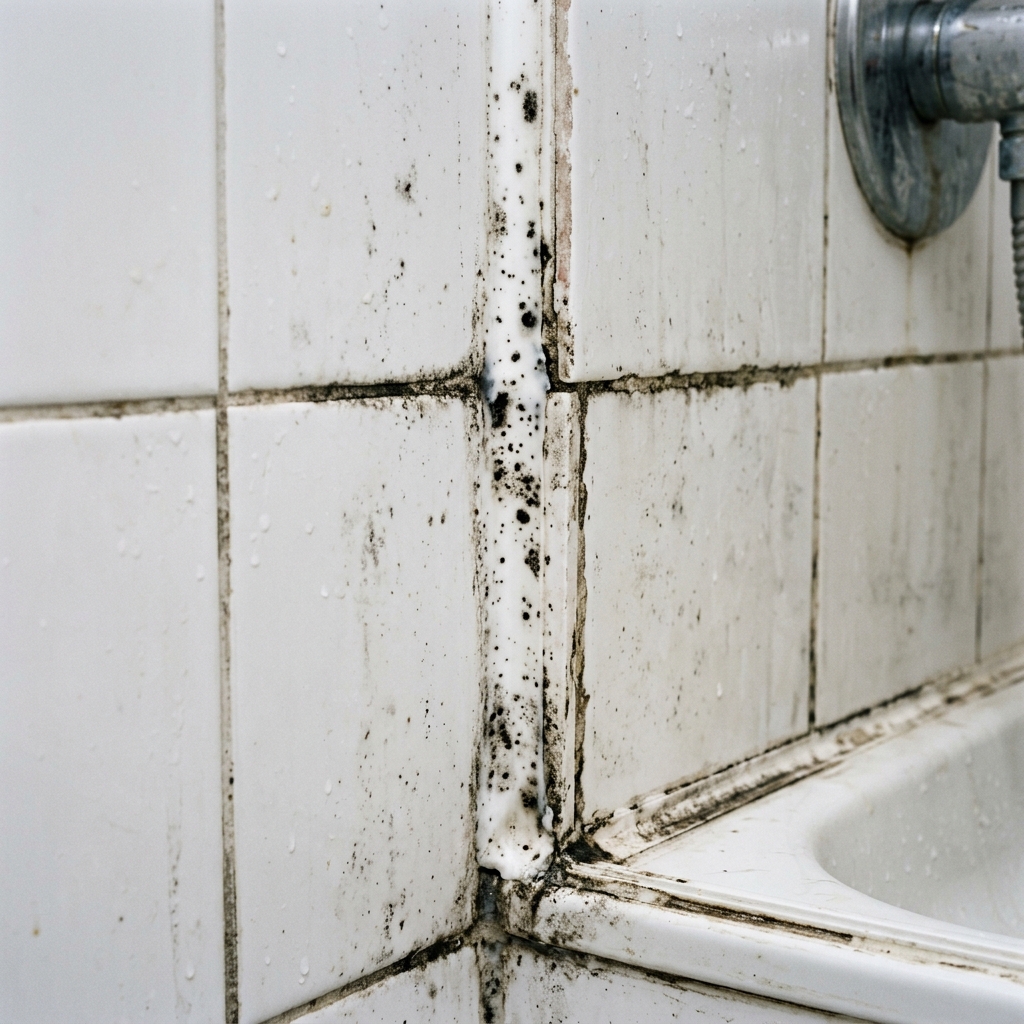
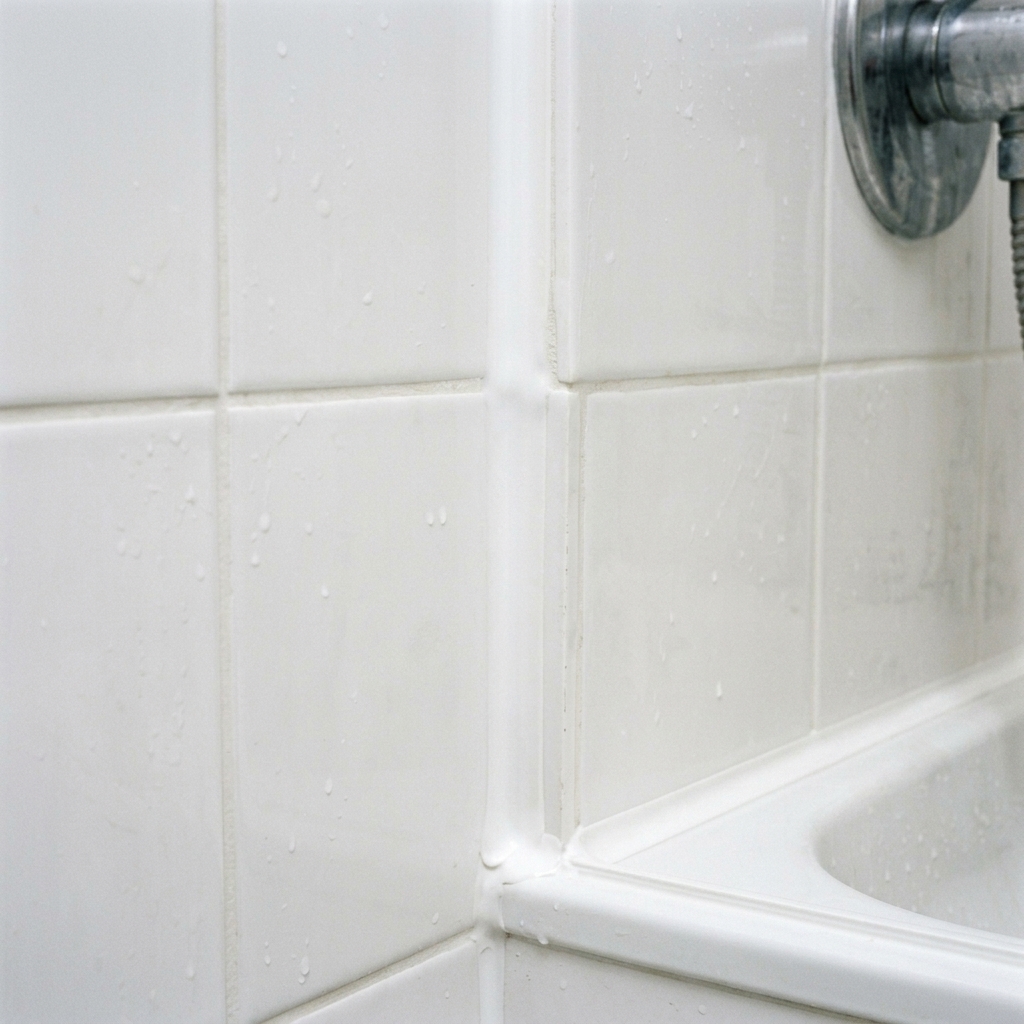
🛠️ Required Tools & Cleaning Agents
🔄 Alternative Detergents & Eco Tips
- Liquid Bleach → Alt: Commercial Mold Gel Remover (Viscous Formula) (Gel formula clings to vertical walls without dripping or needing paper towels)
- Bleach → Alt: 3% Hydrogen Peroxide + Baking Soda Paste (Eco-friendly, non-chlorine option for mild surface mildew)
✨ Step-by-Step Care Instructions
Step 1: Wipe Surface Dry & Wear Protective Gloves
- Wipe all water off the moldy silicone caulking and tile grout with a dry cloth.
- Bleach penetrates mold roots much more effectively when applied to dry surfaces.
- Wear rubber gloves and a mask, and turn on the bathroom exhaust fan.
Step 2: Place Paper Towels Over Moldy Silicone
- Fold paper towels into long, thin strips (about 2cm wide).
- Lay the paper strips directly over the black mold spots along the silicone sealant lines.
- Paper towels prevent liquid bleach from evaporating and keep it in direct contact with mold.
Step 3: Saturate Paper Strips with Liquid Bleach
- Carefully pour or spray liquid bleach onto the paper towels until completely saturated.
- Press gently with gloved fingers so the wet paper adheres tightly without air gaps.
- Leave undisturbed for 1 to 2 hours (or overnight for severe, old mold).
Step 4: Remove Paper Towels & Lightly Scrub Grout
- Remove and discard the soaked paper towels into the trash.
- Observe that the black mold has been completely bleached and oxidized white.
- Gently brush tile grout lines with an old toothbrush to remove loosened residue.
Step 5: Rinse with Cold Water & Dry Thoroughly
- Rinse the area thoroughly with cold tap water (never hot water, which releases chlorine fumes).
- Wipe dry with a clean cloth or use a squeegee to remove excess floor water.
- Keep bathroom door and exhaust fan running until the room is 100% dry.
🩺 Self-Diagnosis Guide
✅ Can be restored with care
- Black spotted mold penetrating bathtub and sink silicone caulking
- Pink bacteria slime or dark mildew growing on bathroom floor tile grout
- Mildew spots along shower screen edges and bottom track
❌ Reached end of lifespan (Proper disposal required)
- Silicone caulking detached, torn, or shrinking, causing water leaks into wall cavities
- Loose or hollow bathroom tiles ready to detach from the wall
- Waterproofing failure beneath bathroom floor requiring structural renovation
⚠️ Important Safety Precautions
- Never mix bleach with acidic cleaners (vinegar, citric acid) as it releases lethal chlorine gas.
- Never use hot water to rinse bleach (hot temperatures rapidly vaporize irritating fumes).
- Always wear gloves and ensure adequate room ventilation during use.
💡 Bathroom Ventilation & Sealant Replacement Guide: 3 Key Technical Specs Before Buying
♻️ Reached end of lifespan?
Check local disposal regulations instead of forcing reuse.
❓ Frequently Asked Questions (FAQ)
Q. Why does bathroom mold return quickly even after cleaning?
A. Mold spores thrive in warm, humid environments above 70% humidity. If bathroom moisture isn't ventilated daily with a squeegee and exhaust fan, remaining spores quickly multiply.
Q. What should I do if black mold inside silicone doesn't disappear with bleach?
A. If mold has penetrated deep into the structural polymer of the silicone, surface bleach cannot reach it. In this case, cut out the old moldy silicone with a utility knife and re-apply fresh anti-mold silicone sealant.
Q. What causes the pink slime on bathroom tiles and sinks?
A. Pink slime is not mold, but Serratia marcescens bacteria that feed on soap residue and mineral moisture. It can easily be wiped clean with dish soap and disinfected with vinegar or rubbing alcohol.