How to Dispose of Cordless Drill & Power Tools
- 1Cordless power drills and impact drivers are multi-material electronic equipment containing high-torque motors, metallic planetary gearboxes, and detachable lithium-ion battery packs.
- ✓The fire-hazardous lithium battery must be detached and placed into a dedicated municipal battery recycling bin, while the bare drill tool and charger go into small e-waste collection boxes, and metal drill bits are recycled with scrap metal.
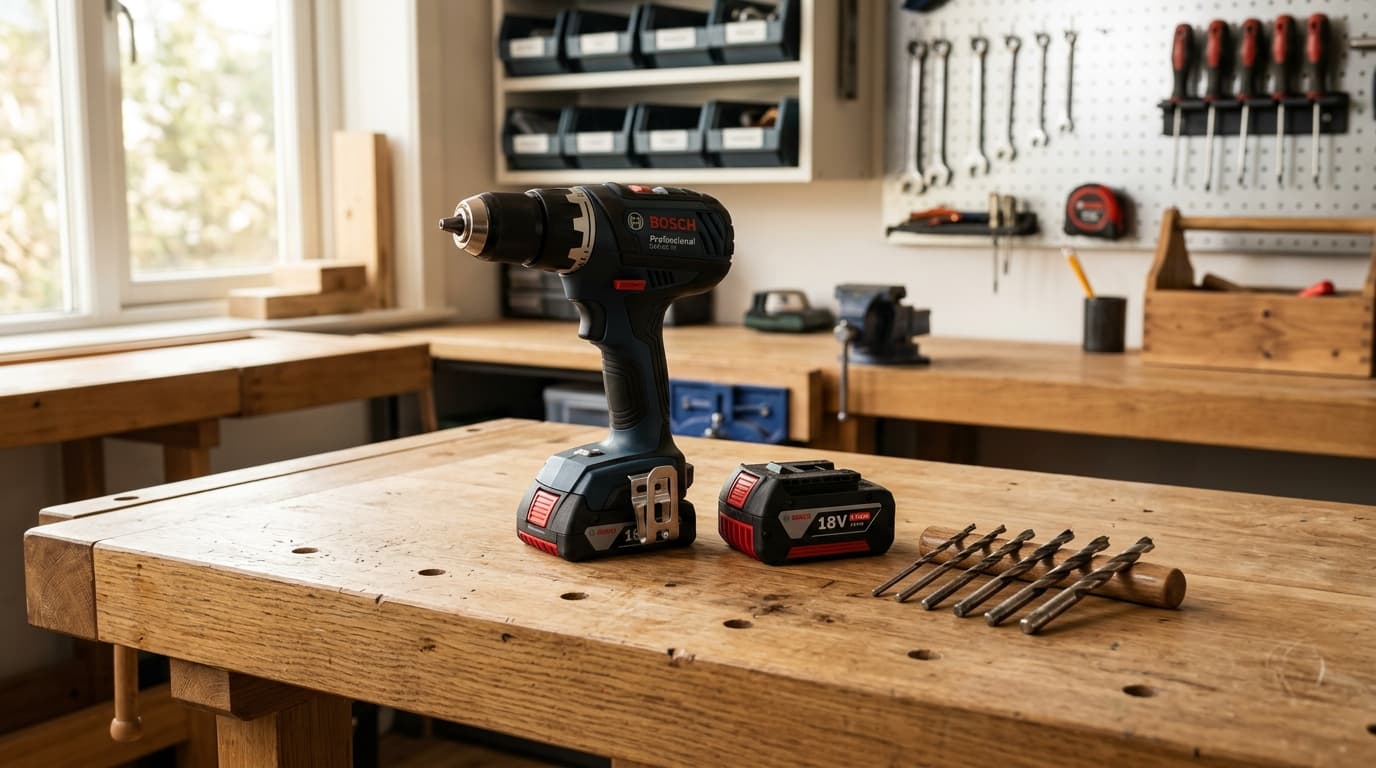
How to Dispose (5 Steps)
- 1
Step 1 (Eject Drill Bits & Close Chuck): Rotate the keyless chuck counterclockwise by hand to remove any attached driver bits or high-speed steel twist drill bits, then rotate the chuck fully closed so no moving components protrude.
- 2
Step 2 (Detach Rechargeable Lithium-Ion Battery Pack): Depress the quick-release latch on the base of the drill grip and slide the lithium-ion battery pack entirely off the tool chassis; never dispose of the drill with the battery attached, as mechanical compaction inside waste trucks triggers catastrophic thermal runaways.
- 3
Step 3 (Insulate Terminal Contacts & Recycle in Battery Bin): Cover the exposed metal contact terminals on the lithium battery pack with electrical tape or clear packaging tape to prevent accidental short circuits, then deposit it into a designated municipal rechargeable battery collection bin located at local community centers or transit stations.
- 4
Step 4 (Deposit Bare Tool Body & Charger in Small E-Waste Bin): Place the bare motor body and its desktop plug-in charging cradle into the neighborhood small e-waste collection depot or apartment electronics box (if discarding 5 or more small appliances, book free doorstep pickup via 1599-0903).
- 5
Step 5 (Recycle Metal Bits & Tool Storage Case): Discard steel and tungsten drill bits into the household metal scrap recycling bin, and check the plastic hard case for resin codes (PP/PE) for rigid plastic recycling; if the case contains bonded foam padding or non-detachable steel hinges, dispose of it inside a standard general municipal waste bag.
Real-World Examples
Cordless hammer drills and drill drivers (Bosch, DeWalt, Makita, Milwaukee, Ryobi)
Compact precision electric screwdrivers (Xiaomi, IKEA FIXA, Bosch GO internal battery tools)
Corded electric drills with 220V power cords
Detachable lithium-ion slide-on battery packs (12V, 18V, 20V MAX)
High-speed battery charging stations and docking adapters
HSS twist drill bits, masonry bits, and magnetic driver bits (scrap metal)
Frequently Asked Questions
Q. How should compact screwdrivers with non-removable integrated batteries (e.g., IKEA FIXA, Bosch GO) be discarded?
A. For precision screwdrivers where the lithium cell is permanently sealed inside the housing, do not attempt to pry open the casing. Deposit the entire intact tool into a municipal small e-waste collection bin; regional electronic recycling centers disassemble integrated units safely in automated facilities. Never discard them in general waste bags due to thermal fire hazards.
Q. Can I discard a power drill body for free in local ward office e-waste bins?
A. Yes, free disposal is standard across South Korea. Electric drills, drivers, rotary multi-tools, and chargers qualify as small home electronic appliances and can be placed into apartment electronics bins or community center drop boxes free of charge without purchasing bulky permits. However, you must first detach removable lithium battery packs and route them to dedicated battery bins.
Q. Where should dull, snapped metal drill bits and screwdriver bits be disposed of?
A. Twist drill bits and driver tips are made of high-grade alloy steel (HSS) or tungsten carbide and are fully recyclable as scrap metal. Place them into the household metal/can recycling container, wrapping sharp tips with masking tape or placing them inside an empty tin can to protect collection workers from puncture wounds.
Q. What is the safest way to dispose of a swollen, bloated power tool battery pack?
A. A swollen battery casing indicates dangerous internal gas buildup and cell degradation. Stop using or charging it immediately, never puncture the enclosure, wrap the contact terminals with electrical insulation tape, and transport it carefully to a municipal hazardous battery bin away from flammable materials.