Flower Pot, Soil, Gravel & Dead Plant Disposal
- ✓Disposing of potted plants requires separating the soil, stones, plant material, and pot container into distinct disposal streams.
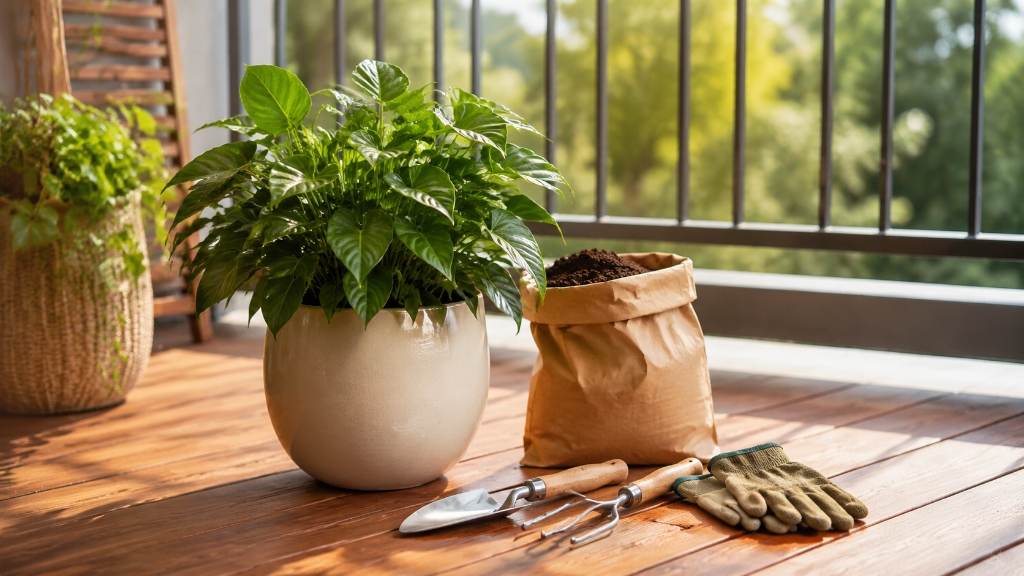
Follow these steps
- 1
Dead Plant/Leaves: Shake off soil from roots, let dry, and throw into general trash (not food waste).
- 2
Potting Soil & Gravel: Reuse in garden beds if possible, or place inside heavy-duty non-combustible waste sacks.
- 3
Plastic Pots: Wash off all soil residue and place in plastic recycling bins.
- 4
Ceramic & Clay Pots: Non-combustible; place inside non-combustible sacks or register small ones as bulky waste.
- 5
Styrofoam Base Inserts: Rinse clean and place in white styrofoam recycling bins.
Frequently asked question
Are dead plants or tree branches considered food waste?
No. Plant stems, roots, and branches cannot be used for animal feed and belong in general trash bags.
Can I dump potting soil into my apartment garden bed?
Obtain permission from your apartment management before spreading soil in communal garden beds.
How should ceramic planters, plastic flower pots, and drainage saucers be sorted and discarded?
Ceramic and terracotta clay pots are non-combustible and must be placed into municipal woven PP rubble sacks. Plastic pots and drip saucers should be rinsed clean of mud and placed into plastic recycling bins; heavily stained or degraded plastic containers should go into regular trash bags.